World Brain Day 2024: Brain Health & Prevention
This year, World Brain Day is dedicated to celebrating brain health and promoting prevention in order to protect our future.

According to the World Federation of Neurology, neurological disorders like stroke, Alzheimer's, and epilepsy contribute significantly contribute to loss of health and cause disability - but a large number of cases are preventable, notably:
- 90% of strokes
- 40% of dementia cases
- 25% of epilepsies
Taking small preventive measures against risk factors for brain disease and cognitive decline can make a big impact later in life – these actions include exercising regularly, prioritising sleep, eating a balanced diet, drinking enough water, staying mentally active, managing stress, keeping socially connected and avoiding smoking and limiting alcohol consumption. It’s crucial to raise awareness about the importance of keeping our brain healthy.

As we acknowledge World Brain Day 2024 this week, let’s also recognise the invaluable contributions of our research experts across the School of Biomedical Sciences who have dedicated their careers to neurological research with the ultimate aim to enhance brain health worldwide.
Meet Garron
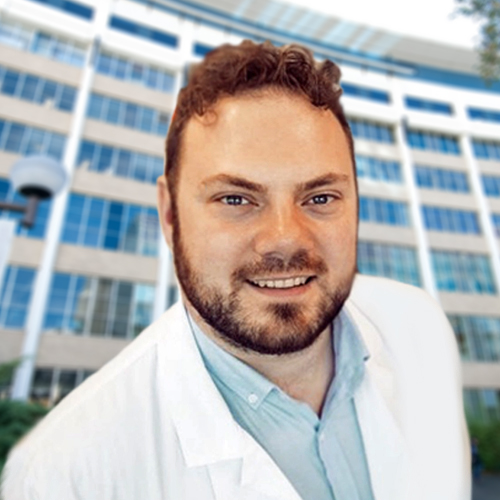
I want to understand the brain and deliver new knowledge and insights into how the brain works that will hopefully inspire and help the next generations long after I’m gone.
Associate Professor Garron Dodd is a neuroscientist and the Head of the Metabolic Neuroscience Research Laboratory (Dept of Anatomy & Physiology) with a research focus on how the brain controls the development of metabolic diseases such as obesity and diabetes.
Meet Robyn
We have compelling preliminary data that show deficits in the brain associated with addiction are also found in diet-induced obesity…strategies used to treat addiction, whether it’s drinking or gambling, can potentially be used to treat obesity.
Dr Robyn Brown (Dept Biochemistry & Pharmacology) is a behavioural neuroscientist looking to understand behaviour like addiction and overeating in obesity. One of the projects her research group, the Behavioural Neuroscience Lab, (Dept of Biochemistry & Pharmacology) is working on looks at how the brain is involved in overeating and potential new ways of treating obesity. Learn more
Meet Vicki
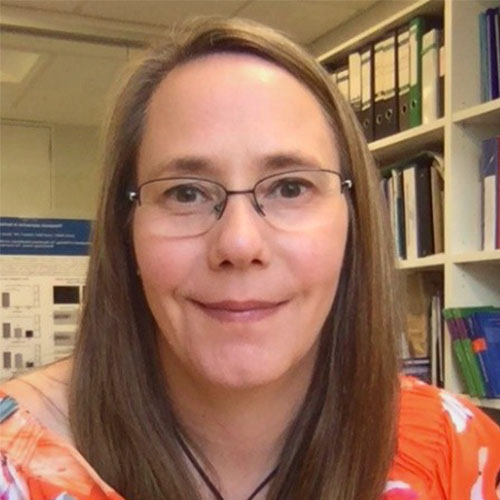
Understanding how the COVID-19 infection results in the ‘brain fog’ and other neurological manifestations described by many patients is essential to reduce the long-term health burden of the COVID-19 pandemic.
The ongoing long-term consequences of SARS-CoV-2 infection on the central nervous system are poorly understood and Associate Professor Vicki Lawson’s Transmissible Neurodegeneration Lab (Dept of Microbiology & Immunology at the Doherty Institute) are investigating the cause and consequence of COVID-19 associated brain injury and inflammation.
Meet Celine
Master of Biomedical Science alumni, Celine Dubois works in the student department at The Florey - the largest brain research centre in the Southern Hemisphere. When studying her Master of Biomedical Science based at The Florey, Celine’s research project looked at dementia, specifically Alzheimer’s disease. Watch the Master of Biomedical Science Spotlight Series here.
@unimelb What's life like at the largest brain research institute in the southern hemisphere? 🧠 At The Florey, Céline has been immersed in lab research and student support services for the past six years and is fascinated by the range of experiences she's had after finishing her Master of Biomedical Science 🔗 See where a Master of Biomedical Science could lead you via the link in our bio. #UniMelb #StudentLife #Research #Melbourne #Biomed ♬ original sound - University of Melbourne