Professor Garron Dodd warns about the dangers of black market diet drugs on Spotlight program
Channel 7’s current affairs program examined the next generation of weight loss drugs.
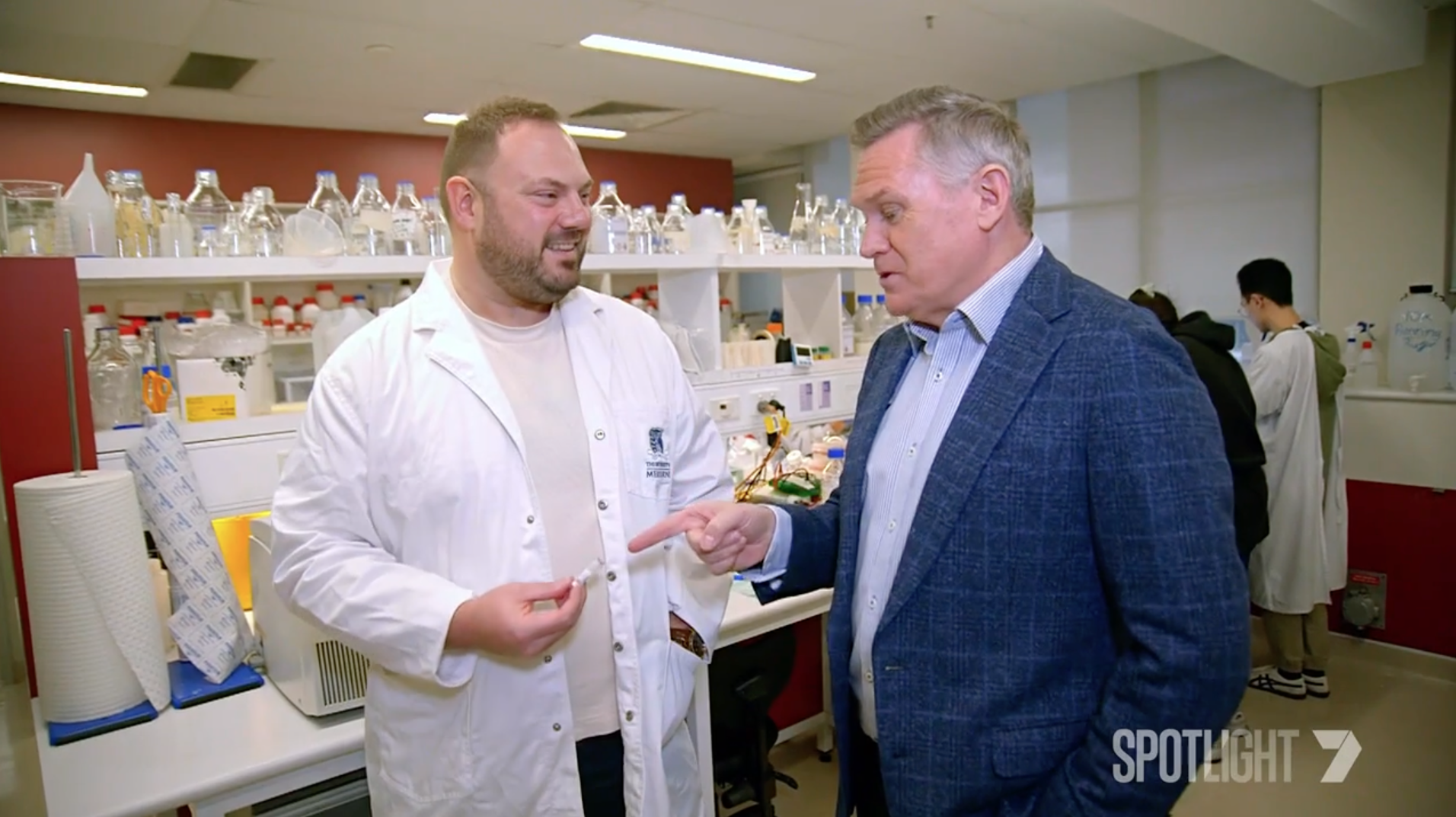
The next generation of brain-altering weight loss drugs are getting closer to market, Professor Garron Dodd, head of the Metabolic Neuroscience Laboratory in the School of Biomedical Sciences’ Department of Anatomy & Physiology, told Channel 7’s Spotlight program in an episode that aired on Sunday night.
The program interviewed people who have taken drugs like Ozempic and Mounjaro. They experienced significant changes in their hunger and other cravings such as drinking and gambling. Journalist Michael Usher spoke to experts and authorities alongside patients.
Professor Dodd explained the significance of these new drugs to population health.
“I quite strongly believe my children will never see a 250 or 300 kilogram person in their lifetime,” he said. “GLP-1-based drugs represent the greatest medical invention since the discovery antibiotics.”
Professor Dodd also explained what’s next in the field: triple hormone receptor agonists that simultaneously target three distinct metabolic pathways – a class of drugs nicknamed “triple-G”.
 |  |
|---|
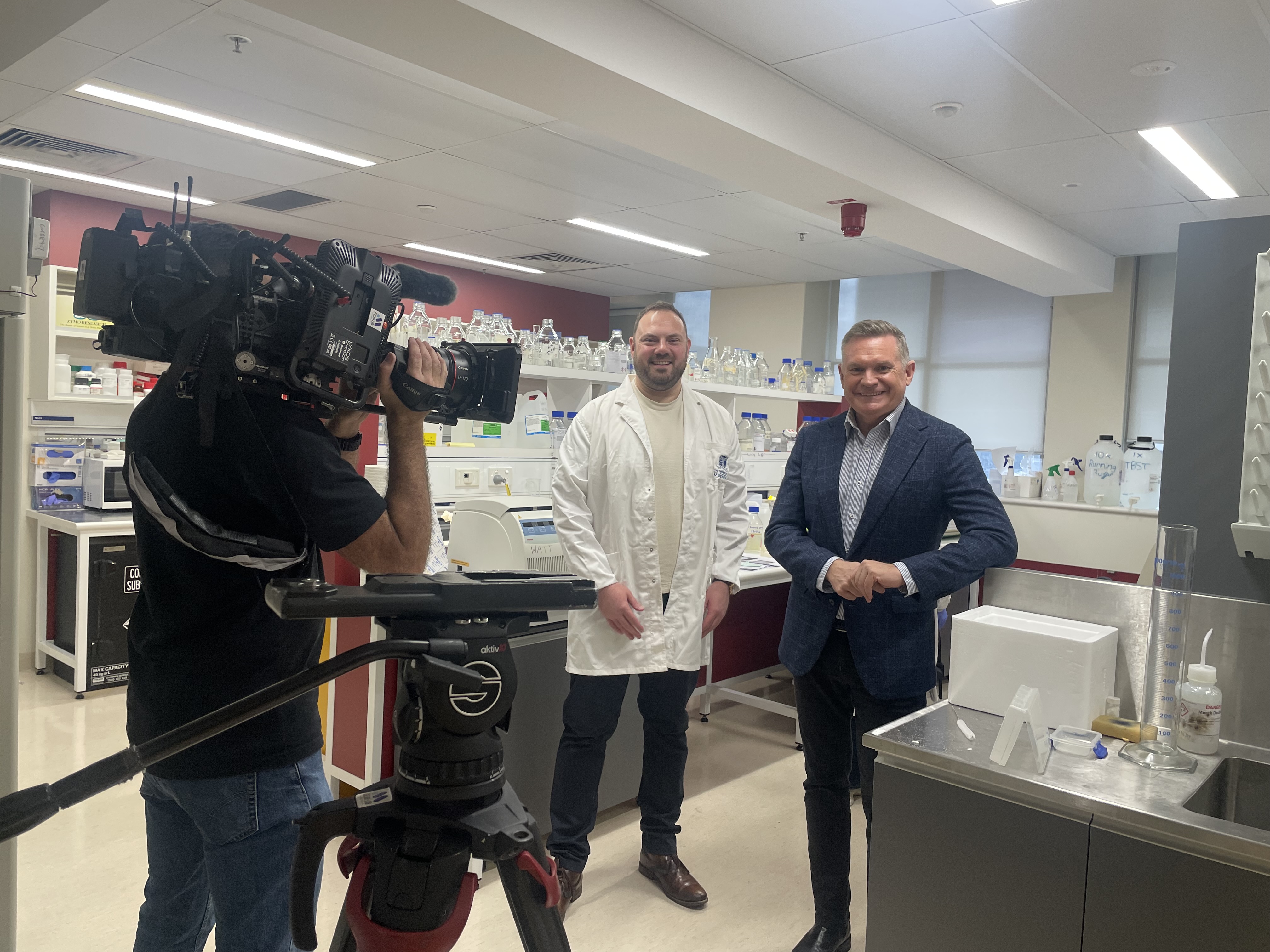
Retatrutide is one such experimental drug and is likely to be available to patients within the next one to two years, Professor Dodd said on Spotlight. But there is still lots to learn about the medication, he said, despite Australians ordering substances claiming to be medical-grade retratrutide via the black market online.
“This is exactly where it belongs at the moment, in the laboratory,” Professor Dodd told the reporter, while holding a tiny amount of the drug in his lab.
The efficacy and safety of such drugs are still being researched, with the Therapeutic Goods Administration issuing a public warning to the public about injecting unapproved products.
“These are very powerful brain acting drugs. They need to be taken alongside strict medical advice,” said Professor Dodd.