Tissue physiology technology ready for user testing
Researchers from the ARC Centre for Personalised Therapeutics Technologies with industry partner have developed a pump technology that mimics tissue physiology in cell culture.

A team of researchers at the ARC Centre for Personalised Therapeutics Technologies (ARC-CPTT) with industry partner, Trajan, have developed a microfluidic pump technology that emulates tissue physiology in cell culture.
Dr. Xumei Gao (Bryan), a postdoctoral researcher from the ARC CPTT (Dept of Biochemistry & Pharmacology) joined Trajan through the Researcher Exchange and Development within Industry (REDI) Fellowship Program, to explore and validate the application of the innovative pump technology. The REDI Fellowship Program bridged the gap between research and industry, allowing for the translation of research ideas into a commercial product.
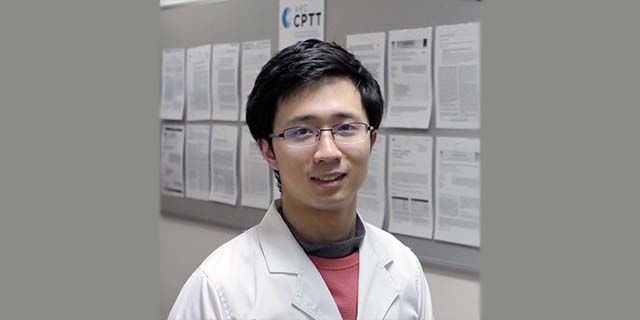
Image: Dr Xumei Gao
Dr Gao, together with key team members from Trajan, were able to optimise the RPM2 microfluidic pump and transform it from a lab prototype into a minimum viable product suitable for user testing. This marks a significant milestone and also demonstrates the ARC CPTT’s effort to advance and deploy non-animal technologies for drug testing to improve drug effectiveness prediction and safety testing.
The REDI Fellowship has provided Dr Gao with an outstanding range of opportunities within Trajan to understand and apply quality by design principles into a minimum viable version of the RPM2 pump. He rejoins the ARC CPTT primed to help lift our developing technologies to higher levels of market readinesss. The RPM2 microfluidic pump technology is a timely addition to capabilities that support long term use of human microphysiological systems, which assume huge importance now that the FDA modernisation Act 2.0 enables drugs to be registered without necessarily using animals for safety toxicology testing.
Prof Alastair Stewart (Director of ARC-CPTT)
Currently, animal studies used for safety, toxicology, and metabolism assessments have limited predictive value. By replacing these animal-based methods with non-animal technologies, researchers can enhance safety and better predict the effectiveness of drugs in clinical trials. This will eliminate the use of animals in drug development, reduce costs and expedite the introduction of new drugs to the market.
Director of the ARC-CPTT, Professor Stewart, has discussed the significance of the legislation in an editorial commentary - and emphasises the relevance of the Centre in training the new generation of skilled workforce needed to accelerate the use of these technologies globally. Read more in 'The FDA modernisation act 2.0: Bringing non-animal technologies to the regulatory table'.
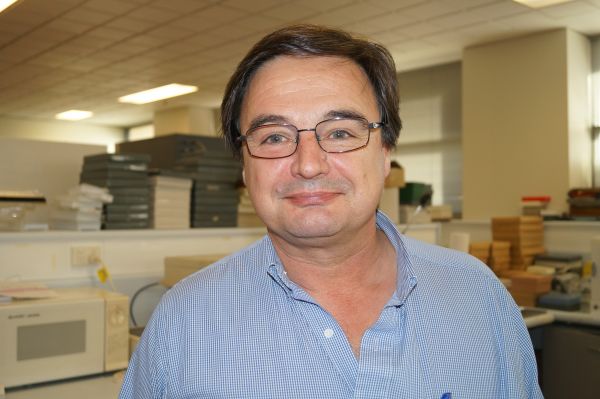
Image: Prof Alastair Stewart
Looking ahead, the ARC-CPTT and Trajan will continue their collaboration beyond the REDI program, conducting user pilot studies with industry leaders as they continue to work towards developing the product value proposition for commercialization.