The pros and cons of the GLP-1 drug revolution
PhD researcher Callen Goldsmith and Head of Lab A/Prof Garron Dodd discuss GLP-1 drugs like Ozempic and how they are changing the dialogue around chronic disease.

Groundbreaking GLP-1 drugs like Ozempic and Mounjaro have grown in popularity for their role in weight loss and managing Type 2 Diabetes – and they are changing the conversation around chronic disease management.
But as with any new technologies, these weight loss drugs bring implications – like delayed policy adaptations, societal trends and long-term safety questions.
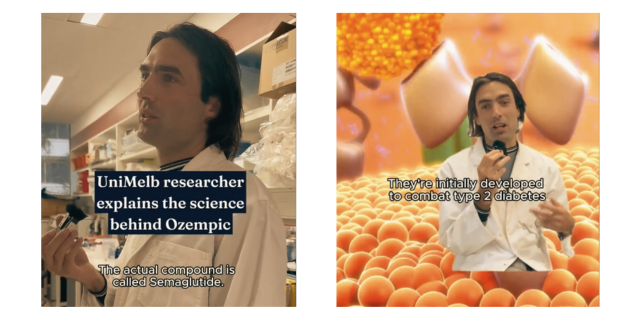
Image: Callen Goldsmith
PhD researcher Callen Goldsmith from the Metabolic Neuroscience Laboratory in the Department of Anatomy and Physiology featured on UniMelb social channels last week to explain the science behind the hype: how GLP-1 drugs like Ozempic work, who they’re for, and why they’re not a fix-all. His advice when it comes to deciding if GLP-1 drugs are right you? Consult your doctor, not Tik Tok.
Watch now:
A/Prof Garron Dodd spoke to the Sydney Morning Herald (SMH) recently about the next generation of weight loss drugs. Garron is Head of the Metabolic Neuroscience Research Laboratory at the and founder of Gallant Bio - an early-stage biotech company founded at the University of Melbourne currently developing their own obesity drugs.
The development of GLP-1 and incretin-based drugs has revolutionised the space. It has carved out the biggest class of drugs ever. And it has the power to truly revolutionise our health-span. It’s a glorious dawn, but it’s just the start.
[Associate Professor Garron Dodd, SMH, 2025]

Image: A/Prof Garron Dodd
In June a panel of experts, led by Dr Norman Swan (ABC) and including Garron Dodd, converged at The Edge, Federation Square to discuss the current and future use of GLP-1 inhibitors in Australia and look at the pros and cons of weight loss medications.
The lecture addressed the weight loss and diet industries and Novo Nordisk’s Ozempic patent due to expire in 2026, which will result in copycat versions of the drug being available on the market. The critical question is: Are we prepared for the widespread use of these medications and their potential consequences?