Study identifies world-first treatments to prevent a life-threatening virus infection
Published in Cell, the findings from research team including co-author Prof Damien Purcell (DMI) could lead to the first preventative treatment for the HTLV-1 virus.

Image: T-Cell
Around 10 million people globally live with the life-threatening virus HTLV-1. Yet it remains a poorly understood disease that currently has no preventative treatments and no cure.
But a landmark study co-led by WEHI and the Peter Doherty Institute for Infection and Immunity (Doherty Institute), including co-author Prof Damian Purcell from the Dept of Microbiology & Immunology, could change this, after finding existing HIV drugs can suppress transmission of the HTLV-1 virus in mice.
The study, published in Cell, could lead to the first treatments in the world to prevent the spread of this virus that is endemic among many First Nations communities around the world, including in Central Australia.
The research also identifies a new drug target that could lead to the elimination of HTLV-1 positive cells from those with an established infection and prevent disease progression.
At a glance
- New research co-led by WEHI and the Doherty Institute could lead to the first preventative treatments for HTLV-1, one of the most complex and neglected viruses in the world.
- The study found two specific HIV antivirals already on the market can suppress transmission of HTLV-1 in humanised mice and prevent disease, identifying the first prophylactic treatment against HTLV-1.
- Secondly, when the HIV antivirals were used in combination with a compound that induces cell death, infected cells were killed – flagging a potential future curative strategy for the disease.
- The unprecedented findings could enable these drugs to enter clinical trials preventing establishment of pathogenic levels of HTLV-1.
- Human T-cell leukaemia virus type 1 (HTLV-1) is a virus that infects the same cell type as HIV – T cells, a type of blood immune cell that helps the body fight off infections.
- A small proportion of people infected with HTLV-1 after a long duration of infection develop serious diseases, such as adult T-cell leukemia and spinal cord inflammation.
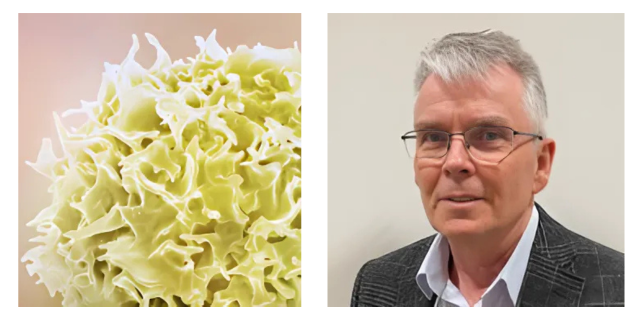
Image: Prof Damian Purcell (right)
Research by Professor Damian Purcell, Head of Molecular Virology in the Department of Microbiology & Immunology (DMI) at the Doherty Institute and co-lead author of the study, isolated the virus from First Nations donors and identified significant genetic differences between the HTLV-1c strains from Central Australia compared to the HTLV-1a strains found internationally.
The new findings show that both HTLV-1strains cause disease in mice, with HTLV-1c showing more aggressive features. The identified drug therapies were found to be equally effective against both strains.
Prof Purcell and Associate Prof Lloyd Einsiedel worked with the National Aboriginal Community Controlled Health Organisation (NACCHO) HTLV-1 committee and the Australian Department of Health over many years to advocate for guidance on HTLV-1 from the World Health Organization (WHO) that led to them formally classify the virus as a Threatening Pathogen to Humans in 2021.
This resulted in the development of formal WHO policies to reduce transmission internationally and the development of clinical management guidelines for HTLV-1c in Central Australia under NACCHO leadership.
“Despite Australia’s high burden of HTLV-1, the virus and its associated diseases are still not notifiable in most states and true infection rates in the nation remain unknown,” Prof Purcell said.
People at risk from HTLV-1 deserve biomedical tools like those that provide game-changing therapeutic and prevention options for other blood-borne persistent viral infections, such as HIV...There is a real opportunity to prevent the transmission of HTLV-1 and end the diseases caused by these infections. Our research findings are a major leap forward in this.
The research team is currently in talks with the companies behind the HIV antivirals used in this study, to see if HTLV-1 patients can be included in their ongoing clinical trials. If successful, this would pave the way for these drugs to become the first approved pre-exposure prophylaxis against HTLV-1 acquisition.
This article was originally published by the Doherty Institute on 22 July 2025.
The Peter Doherty Institute for Infection & Immunity (Doherty Institute) is a joint venture between the University of Melbourne and Royal Melbourne Hospital.