Recreating schizophrenia in the lab
Dr Maria Di Biase has been named as a winner of the 2025 Metcalf Prizes for Stem Cell Research for her application of stem cells to study schizophrenia, as featured on Channel 7 & ABC Radio.

Dr Maria Di Biase from the Department of Anatomy & Physiology has created a ‘brain bank’ of schizophrenia to fast-track diagnosis and better treatments for patients. This consists of 'blobs' of brain cells taken from more than 100 donors - including many patients diagnosed with schizophrenia - to create a psychiatry ‘bank’ of stem cells.
Schizophrenia affects approximately 23 million people worldwide and for patients with this condition, each case is different and it can take years to establish a safe, effective treatment. Treatments can also have life-changing negative side effects beyond the impact of the illness.
“Severe psychiatric disorders are biologically diverse, which means that one drug won’t help everyone,” Maria explains. “If one treatment doesn't work, which is often the case, another is trialled.”
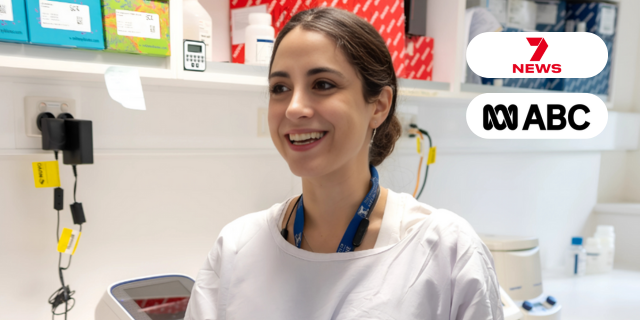
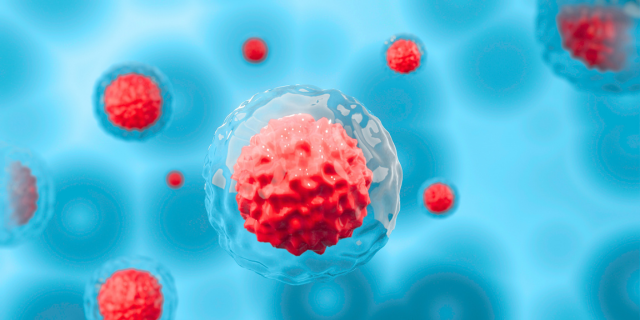
Maria and her team have successfully taken blood from patients, re-programmed these blood cells into stem cells and then grown these into brain cells in the lab. The research team are then able to study each person’s unique schizophrenia using these brain organoids and can effectively recreate aspects of an individual patient's developing brain in a petri dish.
This allows Maria's team to study biological changes and identify those specific to the individual patient to see what is happening at a cellular level during the development of the condition and match it to each patient’s brain scan and symptom profile.
This in turn helps shine a light on the differences in genetics, biology and patient experiences. Ultimately these brain organoids may be used to develop urgently needed new approaches to diagnose and treat this complex mental illness.
Maria's vision is to use a schizophrenia patient’s own cells to choose the right treatment the first time.
My long-term vision is to pioneer personalised treatments for individuals with schizophrenia by conducting research that incorporates their unique genetic, molecular and functional illness profiles...this is a big vision, but for now we need to do the fundamental science to pinpoint what’s happening in these cells and how genes may be driving those changes.
“To have the Foundation and the Metcalf Prize jury award me the prize shows they view my research as a promising approach in psychiatry and that is extremely validating and rewarding," Maria told the National Stem Cell Foundation.
The 2025 Metcalf Prizes for Stem Cell Research, awarded by the National Stem Cell Foundation of Australia, give each winner $60,000 to help further their research. Read more
This story was originally published by the National Stem Cell Foundation on 10 November 2025.
Maria's research has also been featured by the following new and media outlets:
- 7News Melbourne: online article & Sunday broadcast and Facebook reel
- ABC Radio Gold Coast Drive with Bern Young (from 43 min 51 sec)