Pressure points and boundary pushing – inspiration for this International Women’s Day
Panellists at this year’s EMCRA IWD event shared wisdom and vision for the future
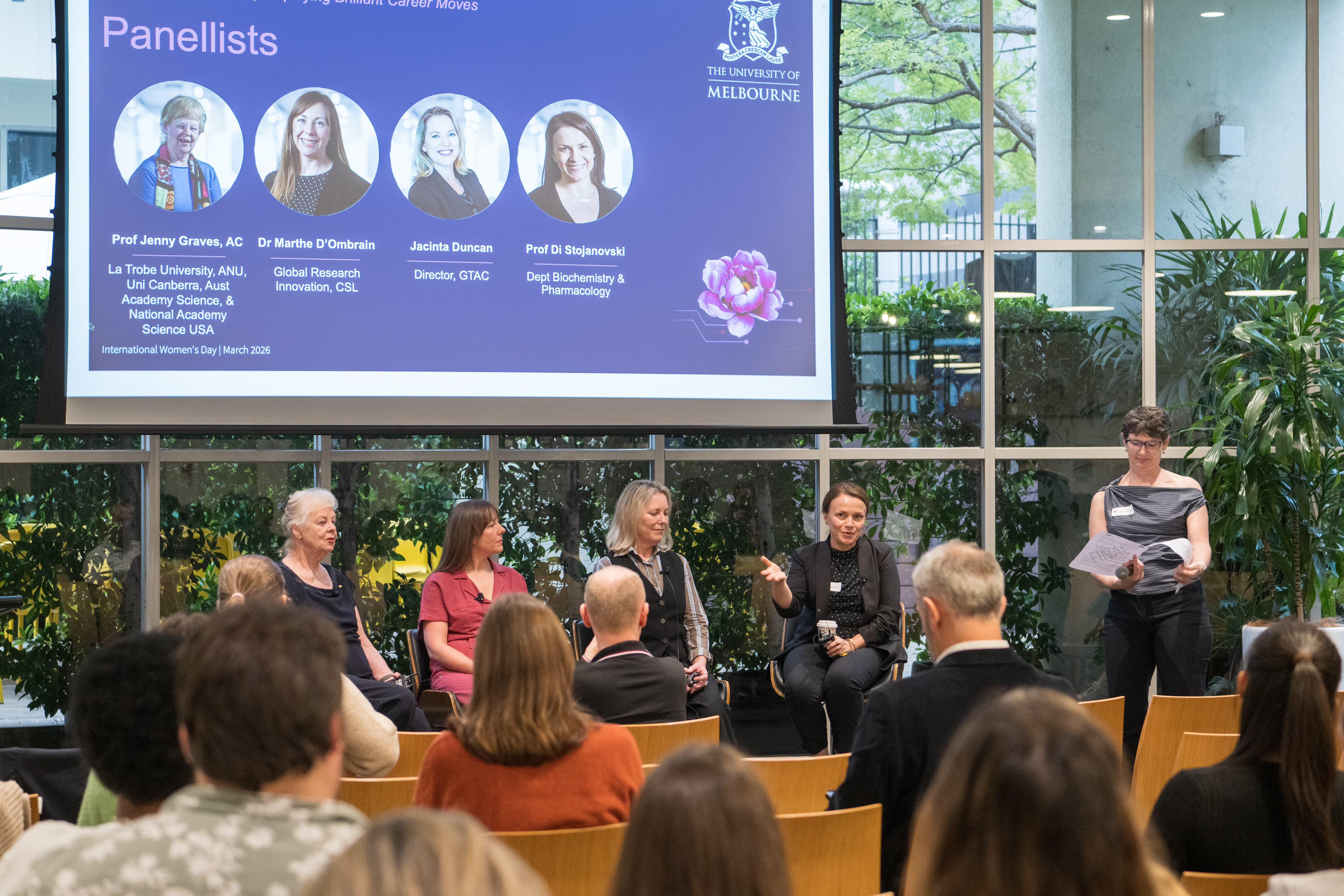
Speakers at this year’s EMCRA International Women’s Day event brought expertise from across the fields of genetics, neuroscience, education, pharmacology and commercial development. But it was their lived experiences as women in STEM – and the advice they shared – that made the gathering so valuable.
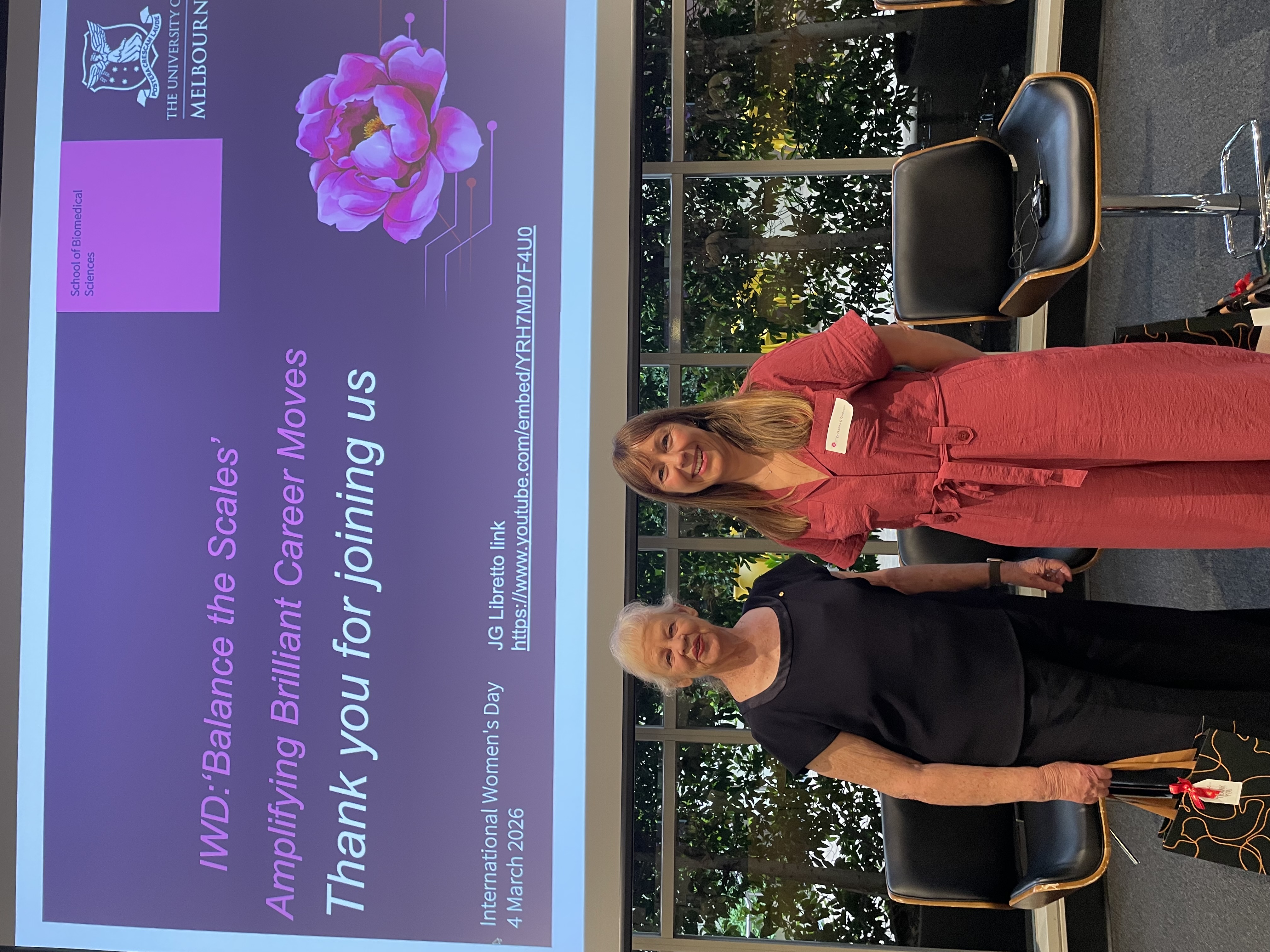
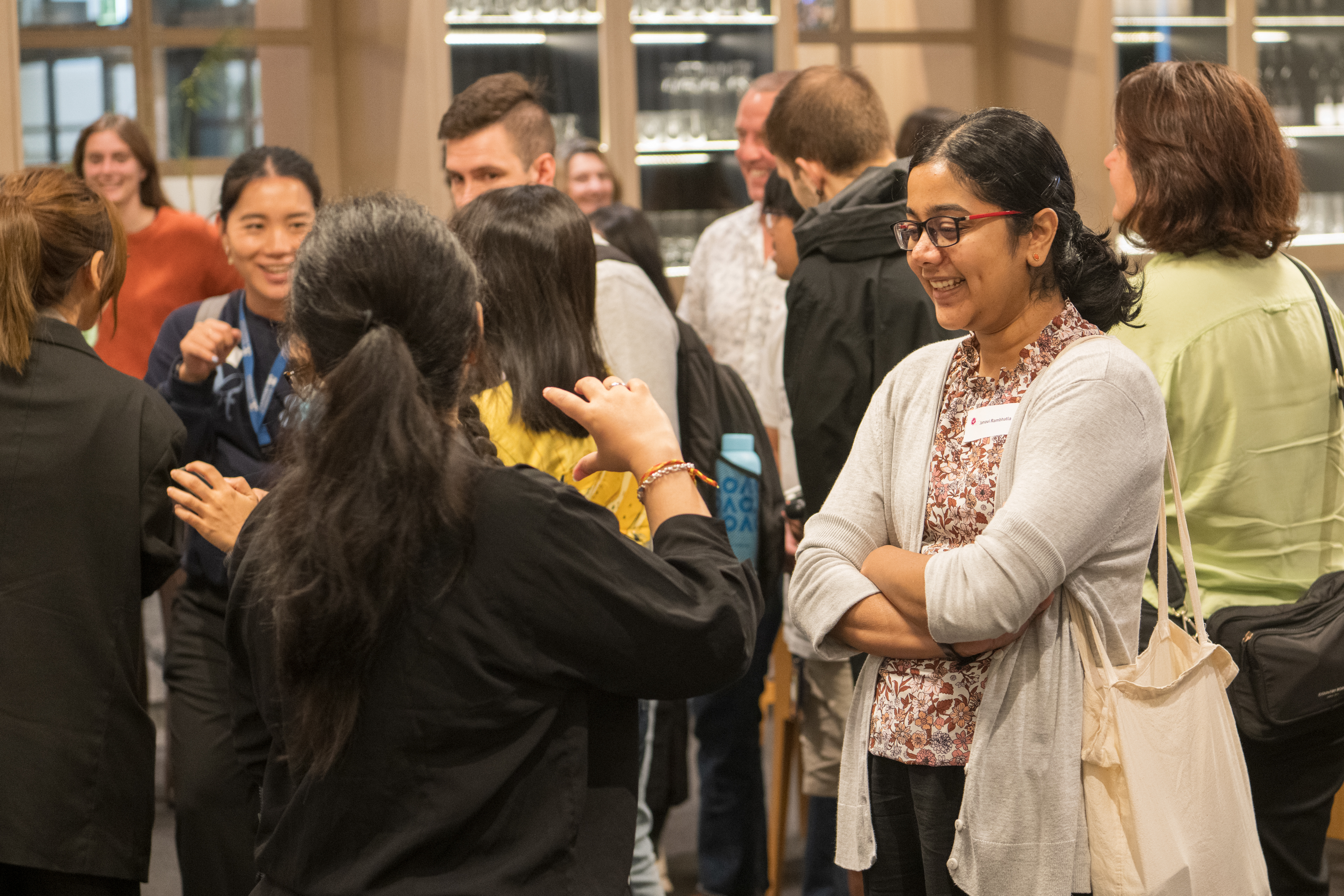
Moderated by Professor Lizzie Coulson (Department of Anatomy & Physiology) and featuring panellists Professor Jenny Graves, AC, (La Trobe University, ANU and University of Canberra), Dr Marthe D’Ombrain (CSL), Jacinta Duncan (GTAC) and Professor Di Stojanovksi (Department of Biochemistry & Pharmacology), the event was held Wednesday March 4 at Melbourne Business School. It was an opportunity for early and mid-career researchers and School of Biomedical Sciences staff to network and reflect. The discussion ranged from career pressure points to crises of confidence.
In the five decades since her PhD, Professor Graves’ work as an evolutionary geneticist has led to new theories about human sex chromosomes and sex-determining genes. She won the Prime Minister's Prize for Science in 2017 and was the first woman to be individually recognised.
“I never had a research partner or boss, so there was nobody to share my prize with,” she told the audience. “There are so many women moving into senior and leadership roles now and that’s totally changed the picture.”
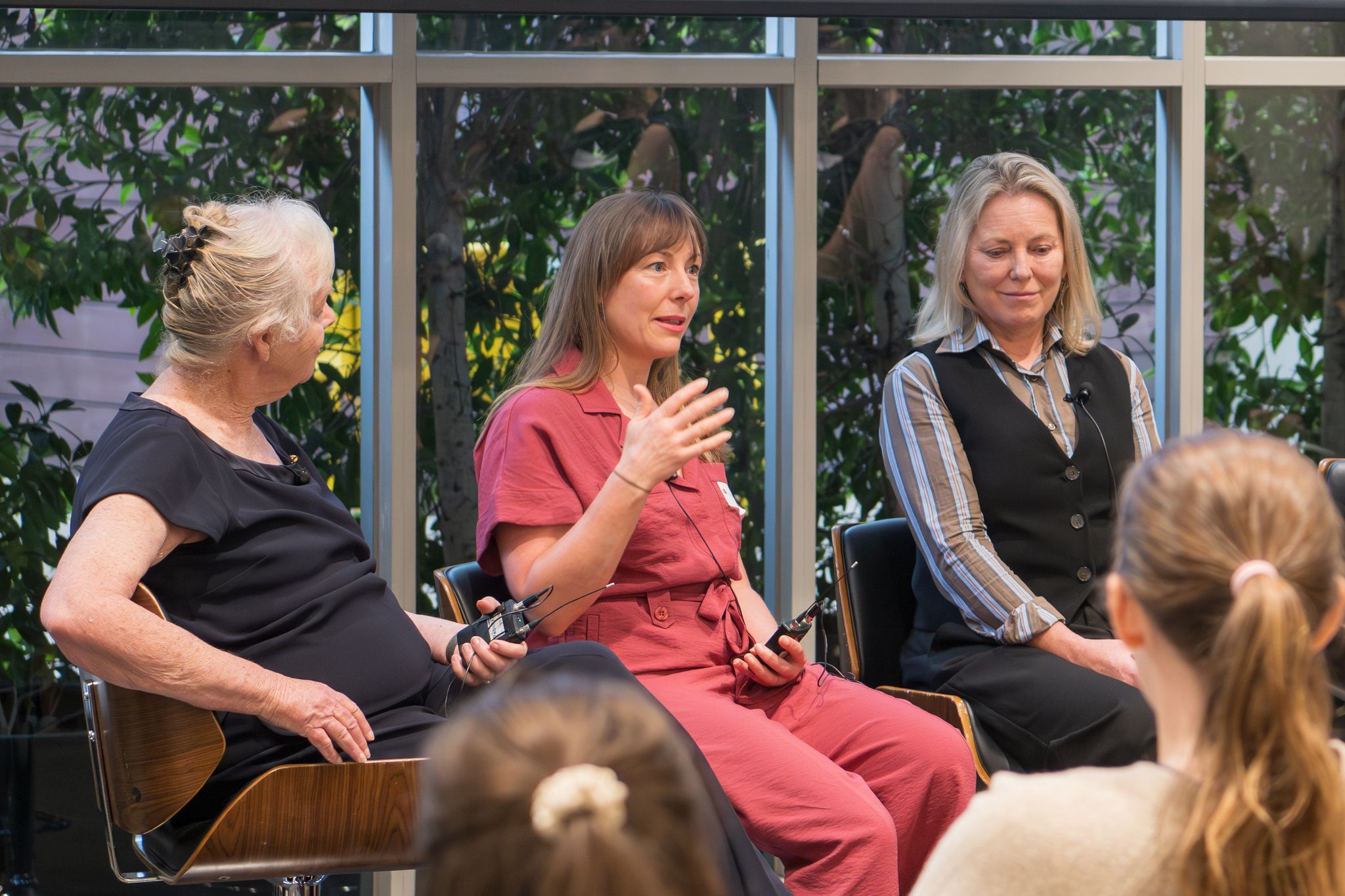
Dr D’Ombrain shared her reframing of “imposter syndrome” – a feeling of being out of one’s depth that most people experience at some point in their professional lives.
“It’s an inherent part of human nature,” she said. “But instead of being afraid of it or discouraged by it, when I have that voice in my head asking if I’m good enough, it’s now become my barometer. It tells me that I’m out there pushing boundaries, on the edge and challenging myself.”
Acknowledging this year’s IWD theme – Balance the Scales – Jacinta Duncan described the work that GTAC has underway to combat gender stereotypes when it comes to career choices.
“We’re showcasing our Victorian STEM heroes who are men and women and people who identify as other,” she said. “We hope that by bringing this into our primary schools, having a role for the teachers and parents and getting them involved, we can help kids think about where they can see themselves.”
“Surround yourself with colleagues and friends who will challenge your ideas,” Duncan advised those starting out. “And be willing to challenge others to achieve the best working environments and outcomes.”
 |  |  |
|---|
Today’s realities for women encompass both a domestic violence crisis and more men sharing the caring and household responsibilities. Panellists agreed there is still a long way to go.
“At some point, I hope it will just be about people and we won’t have to have this conversation,” said Dr D’Ombrain. “It will just be about diversity and the valuable perspective that everybody brings no matter their gender, race or upbringing.”
Panellists identified having children as an obvious pressure point for women’s research careers.
“If I was in charge,” said Professor Stojanovski, “I would want us to allocate women a completely separate funding scheme for a period of time after career interruptions.”
“I don’t want to downplay men taking time off, but women go through a very different experience … A separate allocation of funding would allow more women to thrive.”
Professor Graves recommended a life in science, plenty of laughter (she’s working on a humourous novel about research by women but published by men to follow her scientific libretto) and nurturing passion and curiosity.
Several panellists spoke about legacy and “paying it forward”.
“Our resilience is not just for ourselves, it helps shape a better, fairer future for those who will follow,” said Professor Stojanovski. “It’s important to stay positive, because younger generations deserve the chance to walk this path with optimism and confidence.”
International Women’s Day is marked globally on March 8.