New research uncovers how the microbiome helps fight melanoma
Dr Annabell Bachem, Prof Sammy Bedoui & Dr Vanessa Marcelino (Dept of Microbiology & Immunology at the Doherty Institute) have uncovered how the gut microbiota help the immune system fight melanoma, explaining why patients with a fibre-rich diet and balanced gut bacteria tend to respond better to cancer immunotherapies.
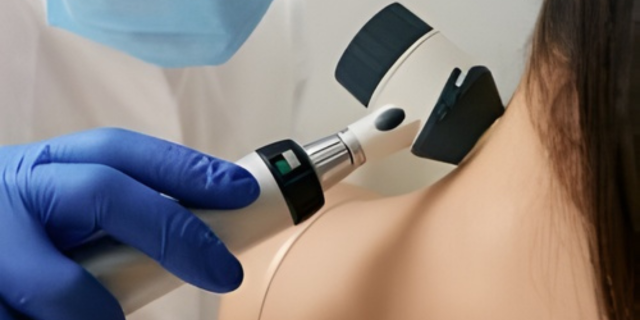
The study, published in Immunity, showed that molecules produced by gut bacteria upon digestion of dietary fibre can improve the function of cancer-fighting immune cells. The research team, led by researchers in the Department of Microbiology (DMI) at the Doherty Institute, in collaboration with the Peter MacCallum Cancer Centre (Peter Mac) and Monash University, found that these digestive by-products influence melanoma progression by naturally boosting killer T cell function in pre-clinical cancer models.
Dr Annabell Bachem, a Senior Research Fellow (DMI) and co-first author of the paper, said the findings help fill important gaps in our knowledge about how the gut microbiota regulate melanoma immunity.
“Melanoma patients undergoing immunotherapy can benefit from a fibre-rich diet and previous studies suggested that what we eat affects the immune system. However, how that works wasn’t clear,” said Dr Bachem.
When gut bacteria break down dietary fibre and other nutrients, they produce small molecules called metabolites. In this study, we found that the process involved in the production of short-chain fatty acids, a type of metabolite, plays a key role in how cancer-fighting T cells function.
“These metabolites act like messengers and fuel – directing how T cells function and powering them with the necessary energy so that they can fight cancer more effectively.”
Professor Sammy Bedoui, senior author and Laboratory Head in DMI (based at the Doherty Institute), said these findings offer new insights to improve immunotherapy for melanoma patients
“Our discovery could help explain why recent clinical studies have shown that patients with advanced melanoma who follow a high-fibre diet and have a healthy gut microbiome respond better to immunotherapy,” said Professor Bedoui.
T cells can become exhausted and lose the ability to properly fight cancers. Our study showed that the microbiota-derived metabolites preserve the function of T cells and thereby improve their capacity to kill melanoma cells.
Prof Sammy Bedoui
“Resolving these links between diet and the killer T cell response could help improve treatment for melanoma.”
Professor Bedoui also pointed out that this work further highlights the importance of discovery research.
“This project began by us asking very fundamental questions about how killer T cells function. Once we identified how killer T cells responded to the microbiota-derived metabolites, it became obvious that resolving these fundamental questions about how T cells operate might also help understand why only some patients with melanoma respond effectively to immunotherapies,” he said.
Together with Professor Shahneen Sandhu, Medical Oncologist at Peter Mac and close collaborator of the DMI/Doherty research team, they applied their experimental findings to melanoma patients and discovered that the gut microbiome from advanced melanoma patients responding to immunotherapy also shows signs of increased short-chain fatty acid production.
These exciting findings suggest that the same processes occur in patients and have led to the award of a $5 million NHMRC Synergy grant to Professor Sandhu, Professor Bedoui, Dr Vanessa Marcelino (DMI at the Doherty Institute), Professor Tony Papenfuss (WEHI), Dr Lavina Spain and Professor Grant McArthur (both Peter Mac) to address this further and test their experimental findings in clinical studies of melanoma patients.
“Collectively, our research will provide new insights into how microbial metabolites may regulate immune responses against melanoma and to identify new ways to treat melanoma patients and improve their outcomes,” said Professor Sandhu.
This article was originally published by the Doherty Institute on 10 November 2025.
The Doherty Institute is a joint venture between The University of Melbourne and The Royal Melbourne Hospital.