New findings provide clues for severe age-related macular degeneration
Researchers, including lead author Prof Alice Pébay AM from the School of Biomedical Sciences, have identified distinct biological features linked to a high risk of developing a severe form of age-related macular degeneration (AMD).
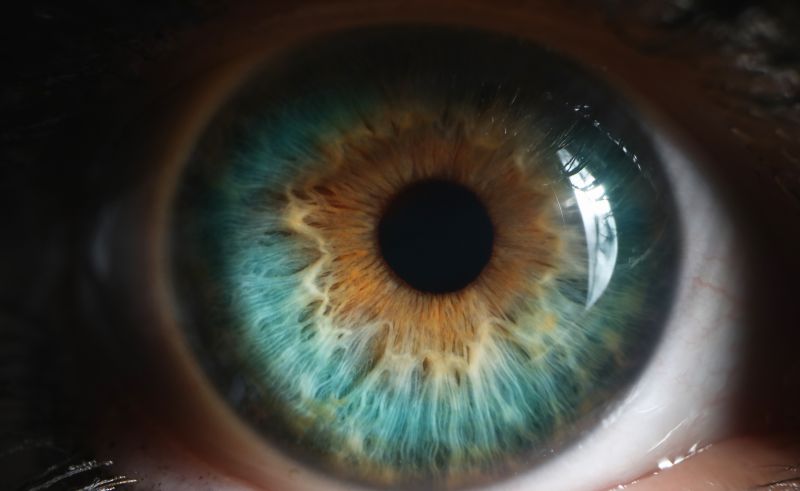
New research has given new insights into a severe form of age-related macular degeneration. Image: iStock
Their findings, published in Genome Medicine, could help inform future efforts to develop more targeted treatments for people at greatest risk of developing severe macular degeneration and losing their sight.
AMD is a leading cause of vision loss and affects one in seven Australians aged over 50 and more than 196 million people worldwide. Current treatments can only slow progression once significant damage has occurred - and are only suitable for some patients.
The research team was led by the University of Melbourne, the Centre for Eye Research Australia (CERA) and the Garvan Institute of Medical Research. It investigated a form of AMD characterised by unusual deposits in the retina called reticular pseudodrusen, which are linked with a higher risk of progression to severe forms of AMD.
Researchers collected skin biopsies from more than 100 Australians with AMD, including some with reticular pseudodrusen and others without. They then used stem cell technology to turn the skin cells into retinal cells in the lab and compared the two groups to see how the cells differed at the molecular level, including which genes and proteins were active.
Our study showed that patients with reticular pseudodrusen appear to have distinct underlying biology compared to the usual form of AMD...In particular, we see greater involvement of processes that help support cells, their structure and stability.
“The key point is that not all AMD is biologically the same, even though it can look similar clinically, " said lead author, Professor Alice Pébay AM from the Department of Anatomy & Physiology in the School of Biomedical Sciences and Melbourne Medical School.
Other researchers involved in the study from the Department of Anatomy and Physiology include Dr Jenna Hall & Dr Maciej Daniszewski (co-first authors); Dr Grace Lidgerwood, Yumiko Hirokawa, Prof Erica Fletcher.
This article was originally published by the UniMelb Newsroom on 12 May 2026.