Buruli ulcer emerges in Batemans Bay: a new endemic region in NSW
Last year researchers including Prof Tim Stinear named Batemans Bay as a hotspot for the disease. Now there’s a new case Eurobodalla on the South Coast.
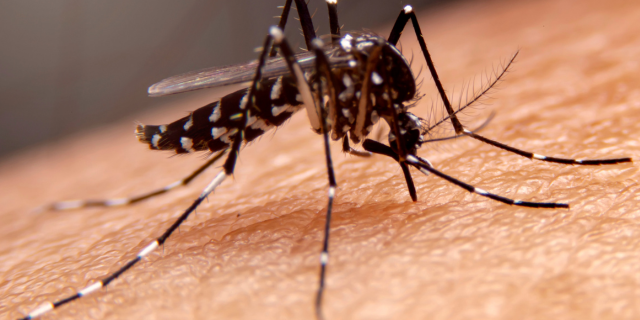
Late last year, researchers identified Batemans Bay as a potential new hotspot for Buruli ulcer, which is caused by Mycobacterium ulcerans. Findings published in PLOS Neglected Tropical Diseases, suggested the disease could spread further across the state. Now a new case of the flesh-eating bacterial infection has been detected on the south coast with Eurobodalla residents and visitors again being urged to cover up and avoid mosquito bites.
The research from Prof Tim Stinear (Dept of Microbiology & Immunology at the Doherty Institute) and collaborators reported two cases in Batemans Bay, a decade after the first known NSW case in Eden.
“Genome sequencing of samples from the Batemans Bay cases provided important clues about the infections,” said Tim who is also co-author of the paper and Director of the WHO Collaborating Centre for Mycobacterium ulcerans at the Doherty Institute.
The genomic analysis revealed that the bacteria which caused the two infections in Batemans Bay were identical. It also showed that they were genetically linked to the previous Eden case but distinct from the bacterial lineage prevalent in Victoria, including Melbourne, Geelong and surrounds.
“The forensic power of genomics showed us that the disease has established a foothold in southern NSW, separate from the endemic areas of Victoria.”
The disease, which is spread by mosquitoes and linked to native wildlife, causes progressive skin and soft tissue infections. The study detected the causative bacteria in possum excreta from Batemans Bay, as seen in the Buruli ulcer affected areas of Victoria.
Buruli ulcer can be serious but its always treatable with antibiotics and proper wound care. To minimise risk, experts recommend avoiding mosquito bites by wearing protective clothing and applying repellent, washing and covering wounds and consulting a doctor if an ulcer doesn’t heal.
This article was originally published by the Doherty Institute on 19 December 2024.