Actress Catherine O’Hara’s rare condition shows why studying anatomy matters
The late comedy performer joked about her mirror‑image heart
By Kate Hatzopoulos & Yossi Rathner
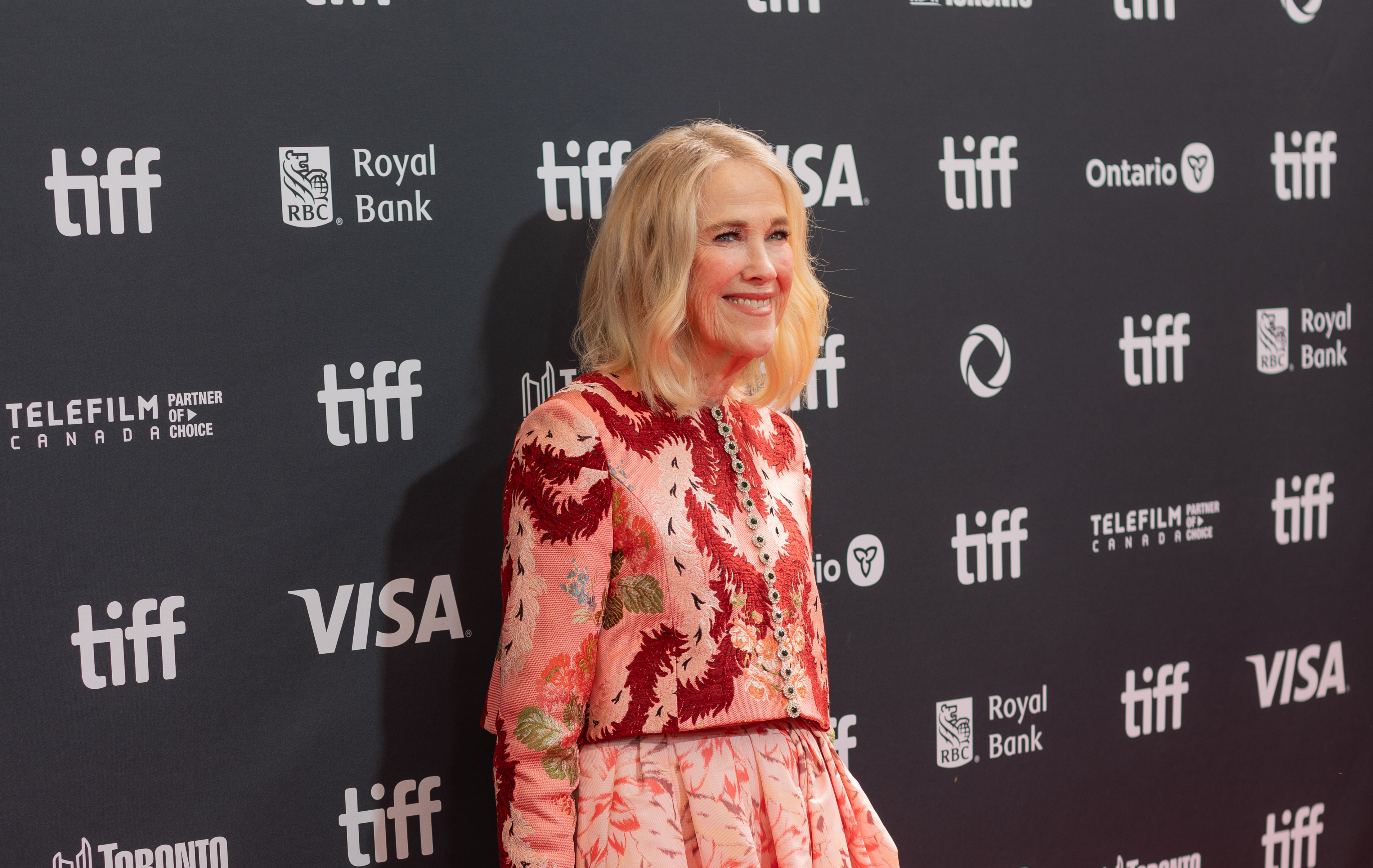
“KEVIN!” Catherine O’Hara’s cry in Home Alone is part of movie history. O’Hara, who won legions of new fans as Moira Rose in the television comedy series Schitt’s Creek, died at the end of January after a brief illness.
The cause of her death was not released, but in life O’Hara spoke with humour about a rare condition she was born with: dextrocardia with situs inversus. This is where the heart and many organs sit as a mirror image of their usual positions. She learned about it as an adult during routine tests and later joked about being “a freak”.
“I don't even know the name because I don't want to know the name,” she told a podcast in 2020.
What is ‘situs inversus’?
Situs inversus totalis is a rare congenital abnormality (meaning it’s present at or around birth) where the abdominal and thoracic organs can be transposed. Although it’s been noted since ancient times, doctors may not have much experience with it given it happens in about one in 10,000 people.
Most people have a standard internal layout called situs solitus: heart on the left, stomach on the left, liver on the right. In situs inversus totalis, the chest and abdominal organs are flipped right‑to‑left, like a mirror.
When everything is flipped together, the body usually works normally because the connections also flip. Blood vessels hook up to the correct chambers. The stomach and intestines connect in the proper order.
Why asymmetry matters in the heart
The heart has two main jobs: the right side pumps blood to the lungs at low pressure; the left side pumps blood to the body at high pressure. A natural pacemaker sits in the right atrium, and a wiring system coordinates each beat. The left-right differences matter because if only the heart flips, while the rest of the organs do not, the “plumbing” the body needs to function no longer lines up.
Situs inversus totalis with dextrocardia, the condition O’Hara had, means everything is flipped. People with this condition generally have low rates of congenital heart disease compared to other variations of the abnormality. | 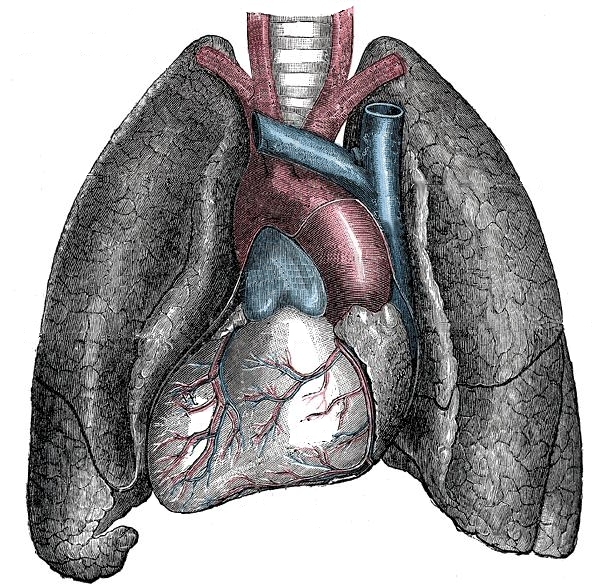 |
|---|
Situs inversus with levocardia is when a person has abdominal organs transposed left to right but has a normally oriented, left-sided heart. This is rare and is associated with more heart defects than total inversion.
Isolated dextrocardia is when the heart is located in the right side of the chest and is often linked with structural heart problems.
Some people with situs inversus also have primary ciliary dyskinesia, where the tiny hairlike structures that move mucus out of the airways do not beat properly, causing sinus infections, chest infections, and sometimes fertility problems.
When tests look ‘back‑to‑front’
O’Hara found out about her condition well into adulthood when she had an ECG heart test. When clinical staff don’t know someone has dextrocardia they might attach sensors or leads as they would for patients with more typical anatomy. This can lead to inaccurate or confusing test results.
In emergencies or surgery, knowing the organ layout prevents errors.
If everything flips together, the system still works. O’Hara’s life and career were distinctive and unexpected – it turns out her heart was too.
Image credits: John Sears/Wikimedia Commons; flipped heart and lungs image adapted from Gray's Anatomy/Wikimedia Commons.