TBI researchers win grant to support AI drug discovery
It is hoped the federal funds will accelerate the development of small molecule discovery to treat neuroinflammation
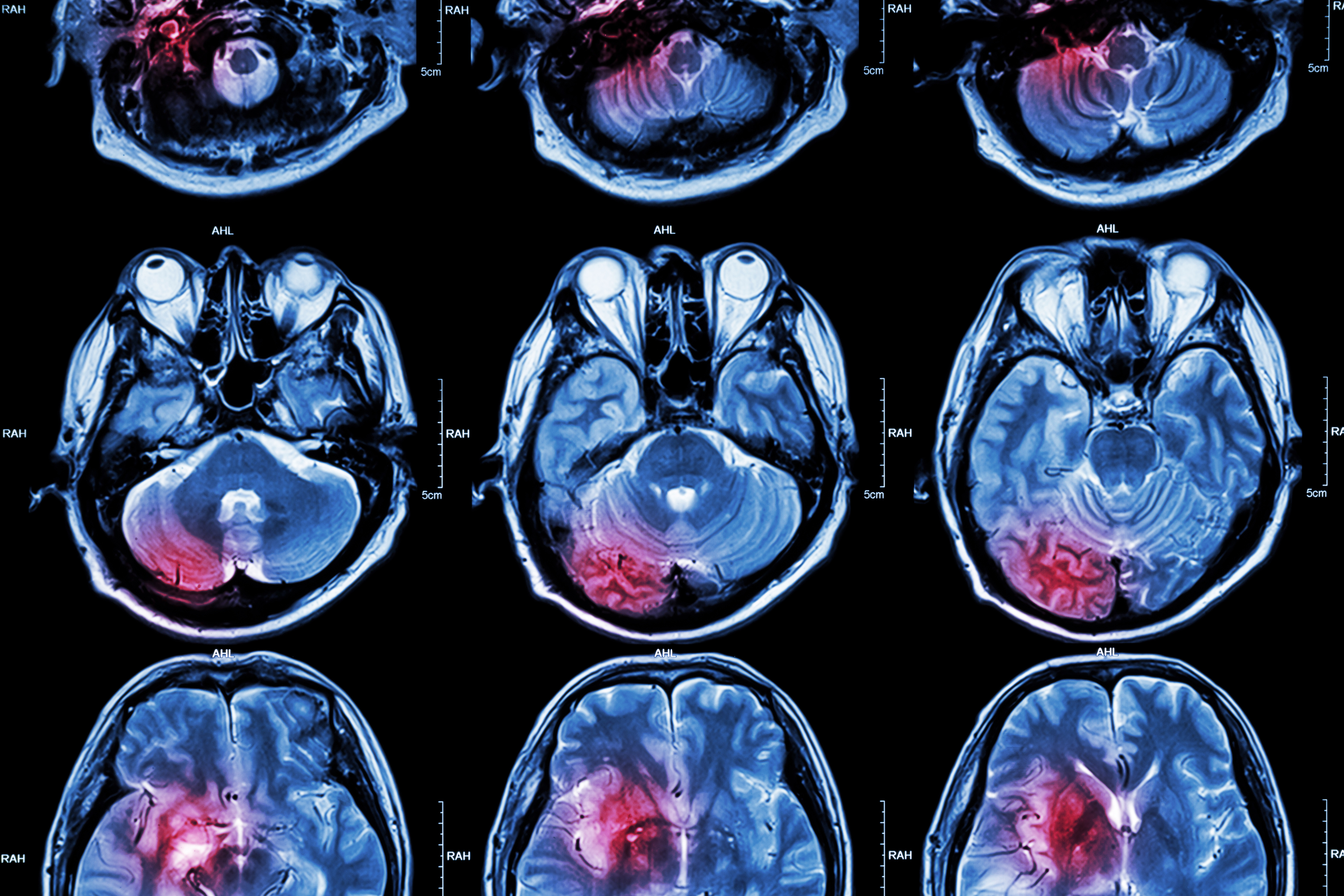
Whether from e-scooter injuries, falls or contact sports, traumatic brain injury (TBI) remains a major public health concern worldwide. Each year, it affects 50 million to 60 million people globally and costs the world economy around A$560 billion. And although it occurs suddenly, it has long-term consequences, including a higher risk of later brain degeneration.
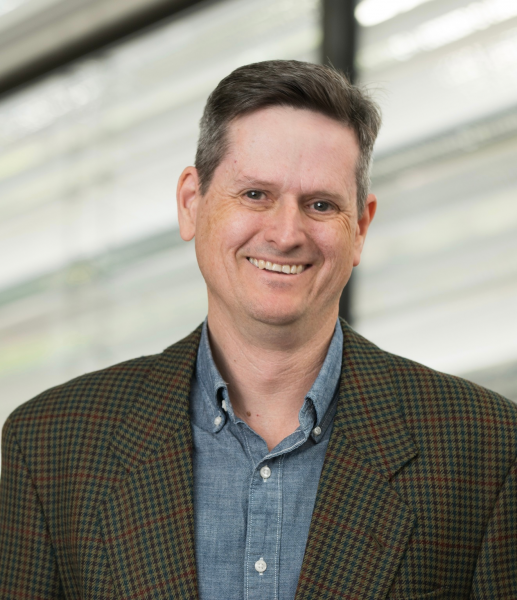
Experts have yet to find an effective treatment. So far, researchers like Professor Peter Crack – head of the Neuropharmacology research group in the Department of Biochemistry and Pharmacology – have revealed that a protein called Stimulator of interferon genes (STING) and related signalling pathways in the body are involved in the cell damage that follows injury. And because these proteins help turn up the neuroinflammatory response after TBI, researchers have STING in their sights as a potential treatment target.
Now the Department of Biochemistry and Pharmacology, in partnership with AI drug design company Qubigen, has been awarded $496,348 in federal funding to speed up the development of new therapeutics for neuroinflammatory and neurodegenerative diseases. The project, “AI-Driven Drug Discovery for Next-Generation STING Inhibitors”, sits at the intersection of artificial intelligence and medical science.
|  |
The federally funded Australia’s Economic Accelerator Ignite grants support early-stage research commercialisation through competitive grants of up to $500,000. These grants help researchers at Australian universities complete basic research, laboratory testing and establish proof-of-concept in an industry-relevant environment.
The project will use advanced machine learning, cheminformatics, and predictive pharmacokinetic modelling to create and optimise novel STING (Stimulator of Interferon Genes) inhibitors that can cross the blood-brain barrier. This has been a challenging quest for drug development. STING inhibitors target neuroinflammation – a key driver of diseases such as Alzheimer’s disease, Parkinson’s disease, and traumatic brain injury.
Professor Crack says the grant will allow the researchers in the lab to move a faster pace and progress more quickly. That could make a life-changing difference for people with brain inflammation from injury or disease.
“A STING inhibitor that passes through clinical trials will have direct application to traumatic brain injury, limiting the damage and improving recovery time for patients,” says Professor Crack.