Congratulations to our SBS researchers recognised with NHMRC Investigator Grants
The National Health and Medical Research Council (NHMRC) Investigator Grants aim to foster innovative and creative research.
Fifteen School of Biomedical Sciences researchers now have added flexibility to pursue important new research directions as they arise, adjust their resources accordingly, and to form collaborations as needed, under the Investigator program that recognises the highest-performing researchers.
Congratulations...
- A/Prof Amy Chung, | Profiling protective antibody responses against infectious diseases.
- Prof Alexandra Corbett | Exploiting the unique functions of MAIT cells to drive the rational design of new vaccines and immunotherapies.
- A/Prof Mark Davies | Epidemiology, evolution and prevention of streptococcal pandemics.
- Prof Karen Day | Solving the surveillance challenges for malaria elimination in high burden countries.
- Dr Maria Di Biase | Patient-Centred Platforms for Preclinical Schizophrenia Research and Translation.
- Dr Maximilien Evrard | Enhancing tissue-resident memory T cell immunity through the microbiota.
- Prof Ben Howden | Genomics-driven innovations to tackle drug-resistant bacterial infections.
- Dr Danielle Ingle | Harnessing pathogen genomics to combat current and future threats of drug-resistant enteric bacteria.
- Dr Christine Keenan | Unravelling epigenetic mechanisms to improve immunity.
- Dr Fern Koay | Harnessing MAIT cell biology and therapeutics to improve immunotherapy.
- Dr Marios Koutsakos | Establishing protective immunity against antigenically diverse viruses.
- Dr Oanh Nguyen | Unravelling immune responses to severe respiratory viral infection and vaccination in humans.
- Prof Tim Stinear | Elimination of Mycobacterium ulcerans infection (Buruli ulcer).
- Prof Linda Wakim| Generating a universal influenza vaccine.
- Dr Pirooz Zareie | Understanding determinants of memory T cell fate to enhance cellular immunity.
26 Feb 2025 'NHRMC awards researchers $83m in Investigator Grants', University of Melbourne, Awards and Achievements.
Dr Oanh Nguyen
Senior Research Fellow | Dept Microbiology & Immunology
Unravelling immune responses to severe respiratory viral infection and vaccination in humans
We develop robust and long-lasting immune responses to respiratory viral infections, yet some people still fall very ill despite being vaccinated. This project investigates immune responses that protect us from severe and fatal infections; understand why some people fail to generate protective antibodies to the flu vaccine; and identify key biomarkers aimed at reducing influenza disease impact in high-risk groups. This work will improve future vaccination regimens towards influenza and newly-emerging viruses.

It is with immense pleasure and gratitude to have received the NHMRC L1 Investigator Grant. This grant will have enormous impact on my research career to continue to perform innovative and cutting-edge science. I deeply want to thank everyone that has supported me throughout my scientific journey.
Prof Tim Stinear
Professorial Fellow | Dept Microbiology & Immunology
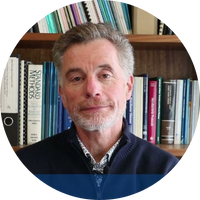
Elimination of Mycobacterium ulcerans infection (Buruli ulcer).
Buruli ulcer is a neglected tropical skin infection caused by a bacterium. This project aims to eliminate Buruli ulcer through innovative mosquito control measures and by developing vaccines that prevent Buruli ulcer in humans and Australian native possums.
This funding gives us the opportunity to realise our vision to eliminate Buruli ulcer from southeastern Australia.
Prof Alexandra Corbett
Professorial Fellow | Dept Microbiology & Immunology
Exploiting the unique functions of MAIT cells to drive the rational design of new vaccines and immunotherapies.

Looking back over the past decade, we have learnt how MAIT cells are activated, their role in providing immune protection against infections and how we can manipulate their numbers and functions experimentally. This grant provides the opportunity to delve much deeper into the biology of this fascinating cell subset, and to look towards clinical applications to combat infections or cancers.
Dr Maximilien Evrard
Research Fellow | Dept Microbiology & Immunology
Enhancing tissue-resident memory T cell immunity through the microbiota
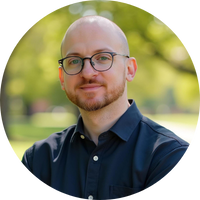
My research looks at a special group of immune cells called tissue-resident memory T (TRM) cells, which help protect our organs from infections and cancer. Most studies on TRM cells are done in very clean lab conditions, but in real life, people are constantly exposed to microbes. To better understand how this exposure affects TRM cells, our team has used a "dirty" mouse model that simulates this real-world environment. In this project, I will use this model to map how microbes interact with immune cells in different body tissues, identify which microbes and their byproducts help TRM cells function, and test whether these beneficial microbes could be employed to fight cancer more effectively.
I’m thrilled that this grant supports our innovative ‘dirty’ mouse model, which more closely mirrors everyday human exposure to germs. This approach could spark entirely new strategies to combat cancer.
Dr Christine Keenan
Senior Lecturer | Dept Biochemistry & Pharmacology
Unravelling epigenetic mechanisms to improve immunity

Our immune systems protect us remarkably well from a constant barrage of germs. However, this protection must be finely balanced to not overreact (as in asthma) or leave us vulnerable to infection (as in immune deficiency). My research program aims to understand how DNA is read differently in different cells, termed 'epigenetics', despite all cells of the body having the same DNA code, with the ultimate goal to develop new epigenetic-targeting drugs to restore healthy immunity in disease.
I’m thrilled to receive 5 years of research funding to explore the fascinating intricacies of DNA wiring. By understanding these fundamental processes, we hope to discover new targets to revolutionise the treatment of immune diseases such as asthma.
Dr Maria Di Biase
Senior Research Fellow | Dept Anatomy & Physiology
Patient-Centred Platforms for Preclinical Schizophrenia Research and Translation
Schizophrenia is a complex and severe brain disorder that can affect how someone thinks, feels, and behaves. The biological cause of schizophrenia likely differs from patient to patient, making it hard to develop optimal treatments that benefit all patients. This project is designed to develop personalised insights into schizophrenia by harnessing the power of stem cell science, genetics and neuroimaging. These insights could lead to improved diagnosis and tailored treatments for schizophrenia.

With the invaluable support of the NHMRC, we are working to lay the foundation for developing more effective, personalised treatments—bringing real hope and relief to those living with severe mental illness, and their families and carers.
Dr Danielle Ingle
Research Fellow | Dept Microbiology & Immunology
Harnessing pathogen genomics to combat current and future threats of drug-resistant enteric bacteria
Enteric bacteria that are resistant to antibiotics are a major global health challenge. With this funding I hope to better understand how bacteria become drug resistant, and/or become more deadly. To do so I will develop novel tools and approaches to study thousands of bacteria genomes. Our findings will help to improve surveillance for these bacteria, and be used for better prevention to stop them in their tracks.

It’s a privilege to be awarded an NHMRC emerging leadership 2 fellowship. This grant will enable me to undertake cutting-edge research in my field of microbial genomics exploring factors underpinning the emergence and spread of drug-resistant pathogens, and developing novel approaches to combat these threats.
Prof Linda Wakim
ARC Future Fellow | Dept Microbiology & Immunology

Generating a universal influenza vaccine
Pulmonary infections remain the world's most deadly contagious diseases. This research program aims to understand how local immune cells that reside along the airways can be harnessed to help protect against bacterial and viral lung infections. Our goal is to use this knowledge to develop vaccines that can reduce the incidence and severity of pulmonary infections.
We hope that the knowledge gained through this research program will pave the way for development of improved vaccines against airborne pathogens. This vaccine will deliver the right type of immunity, to the right location.
Dr Marios Koutsakos
Senior Research Fellow | Dept Microbiology & Immunology
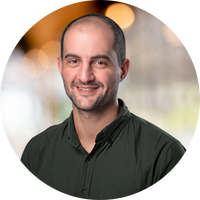
Establishing protective immunity against antigenically diverse viruses
Viruses like influenza and SARS-CoV-2 keep changing to avoid recognition by the immune system. This research program will study how the immune system responds to different variants of these viruses, with the goal of informing vaccine design. This work will advance our understanding of viral immunology with the potential to lead to the development of improved vaccines against these viruses.
I am very grateful to the NHMRC for their support and excited to progress with the research program.