Congratulations to Our Future Fellowship Recipients
Four outstanding researchers from the School of Biomedical Sciences have been awarded ARC Future Fellowships, securing more than $4.6 million in funding.
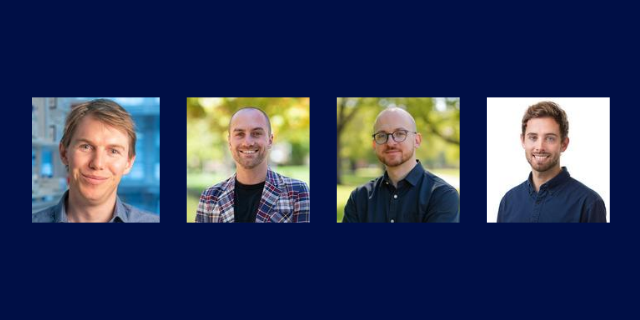
The fellowships will help advance groundbreaking research across neuroscience, immunology, genetics and muscle biology.
Dr Michael Clark (DAP) will develop innovative methods to investigate how genes produce multiple functional products within individual brain cells. His research aims to deepen our understanding of brain development while strengthening Australia's capabilities in bioinformatics and RNA biotechnology.
Associate Professor Benjamin Parker (DAP) will lead research into the neuromuscular junction, the critical connection between the nervous system and skeletal muscle. His work aims to uncover mechanisms that regulate muscle function, with broad implications for health, ageing, exercise science and agricultural productivity.
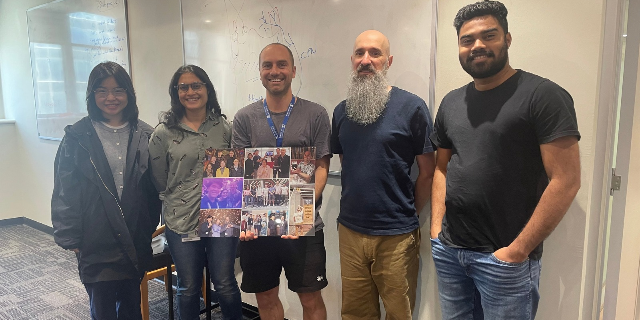
A big thank you to ARC reviewers, mentees, mentors and collaborators for supporting our project to develop new spatial proteomics approaches to understand neuromuscular and musculoskeletal systems. The fellowship will enable us to combine advances in microscopy, protein chemistry and mass spectrometry to generate new biological insights.
- A/Prof Benjamin Parker
Dr Maximilien Evrard (DMI) will explore how microbial diversity shapes the immune system using advanced mouse models that more closely reflect human immune conditions. The project has the potential to improve the accuracy and effectiveness of immunological research worldwide.
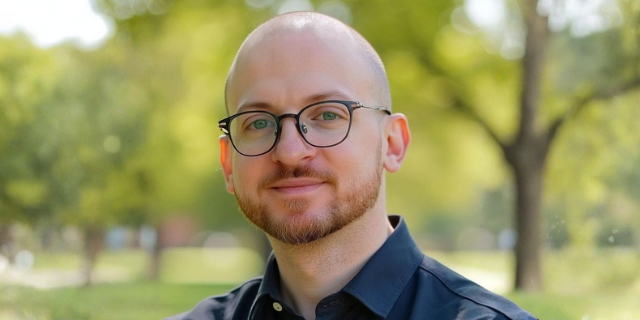
Much of what we know about how immune memory protects our tissues comes from laboratory mice that have never met a real microbe. Humans live very differently. This Fellowship gives me four years to bridge that gap, using mice with a natural microbial history to understand how memory T cells settle into and protect barrier tissues like the skin and gut. It also gives me the stability to build my own team and set a long-term research direction here at the University of Melbourne.
- Dr Maximilien Evrard
Dr Nicholas Gherardin (DMI) will investigate how T cells detect small metabolites, addressing a major gap in our understanding of immune function. The findings could accelerate discoveries across life sciences, with applications spanning biodiversity, agriculture and biosecurity.
This fellowship will provide me with the opportunity to pursue this exciting basic research project aimed at unlocking the mysteries of the immune system. It will also give me an exceptional base to support the establishment of my independent research group as I transition into the next phase of my career.
- Dr Nicholas Gherardin