Cold plunge therapy – the pros & the cons
Research expert Dr Joseph (Yossi) Rathner from DAP features in Herald Sun article discussing the popular 'cold plunge therapy'

Cold water therapies have been used by humans for centuries and are said to have therapeutic, mental, physical, health and sporting recovery benefits. Cold water immersion also known as a 'cold plunge', involves submerging for up to 15 minutes in water at a temperature between 5 and 15 degrees. Dutch extreme athlete and motivational speaker, Wim Hof, also known as The Iceman, has popularised the practice in the modern day.
A recent Herald Sun article published on 14 July highlighted cold plunge enthusiasts closer to home, in Brighton Victoria. The ‘Brighton Icebergers’ as they are known are a community of members who take to the ocean every morning at 5am – through all seasons. Reported benefits of this practise include health, fitness and circulation, weight loss, improved mental health and greater immunity.
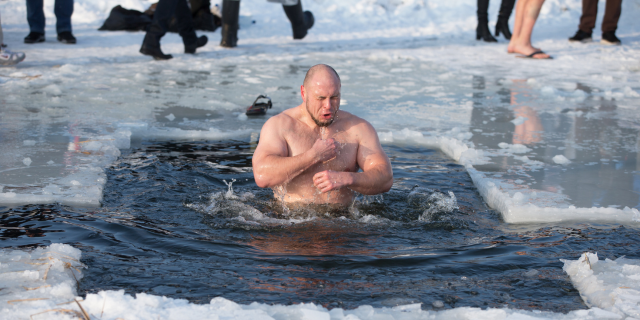
But experts featured in the article warn that there can be health risks with cold exposure and cold-water immersion.
Senior Lecturer in Physiology (Dept of Anatomy & Physiology), Dr Joseph Rathner told the Herald Sun that drowning, cardiac arrhythmia and hypothermia were the greatest hazards.
Sudden immersion in cold water will activate the sympathetic nervous system, causing a rapid increase in heart rate,
“There have been some reports of physical damage to heart muscle due to cold exposure." Joseph said.
While the cold shock can trigger a loss of breathing control, Joseph said that experienced swimmers are less prone to the "dysregulation of breathing reflex" meaning the risk of drowning is reduced.
Indeed like all things you need to work up to it, allow your body to adapt slowly to the cold exposure - and ensure you are a good swimmer before taking the plunge.