New research maps antibody-producing immune cells in malaria
New research from DMI published in Nature Immunology sheds light on how the immune system creates a diverse and effective antibody response to malaria
Malaria remains a major global health challenge, causing over 200 million infections and around 600,000 deaths each year.
While the body can gradually build immunity by producing antibodies, this process is slow and often requires repeated infections, leaving individuals vulnerable in the meantime.
New research from A/Prof Ashraful Haque published in Nature Immunology sheds light on how the immune system creates a diverse and effective antibody response to malaria. The study found that individual B cells, key immune cells responsible for producing antibodies, can generate a wide variety of antibody types. After infection, a single B cell can rapidly produce early-response cells, while also developing more refined and diverse antibodies over time, enhancing the body’s ability to fight the parasite.
The researchers also discovered that antimalarial drugs do not interfere with the immune system’s ability to mature these antibodies, suggesting that patients may continue to build immunity even after treatment.
Another key finding was that during malaria infection, the production of new B cells shifts from the bone marrow to the spleen. This insight may help scientists better understand and treat other conditions like sepsis and cancer, where B cell production is impaired.
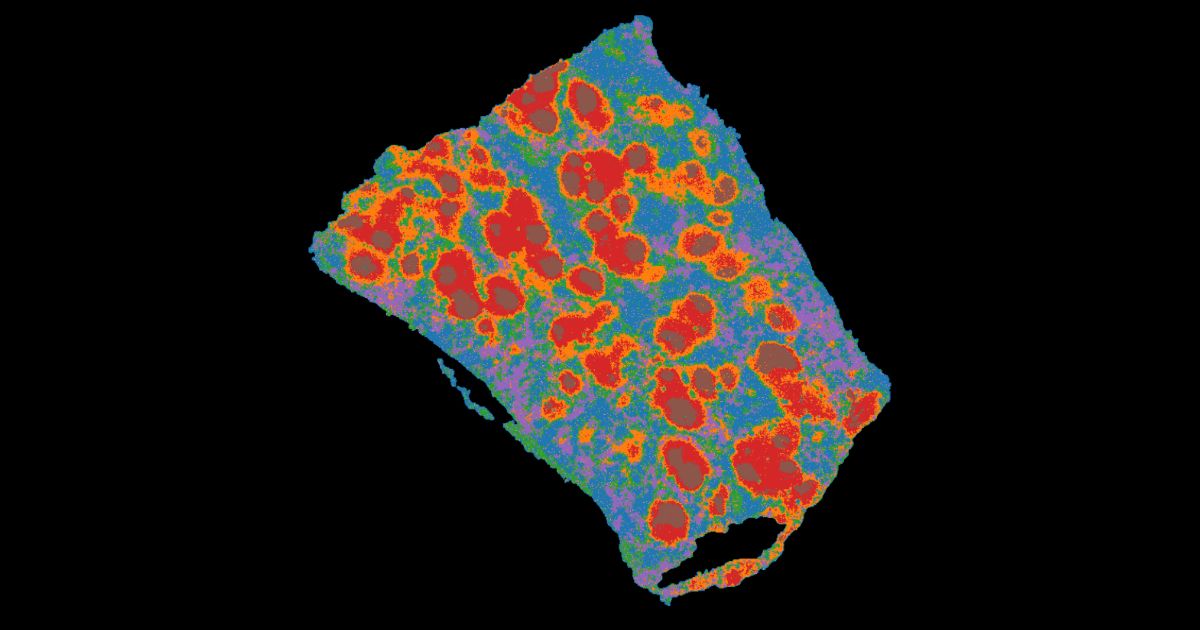
Using advanced genomic tools, including spatial transcriptomics, the team created the first detailed map of how B cells diversify during infection. This resource could support future research aimed at improving immunity against malaria and other infectious diseases controlled by antibodies.
This article was originally published by the Doherty Institute on 16 June 2026.
The Peter Doherty for Infection & Immunity is a joint venture between The University of Melbourne and The Royal Melbourne Hospital.