Our Teams
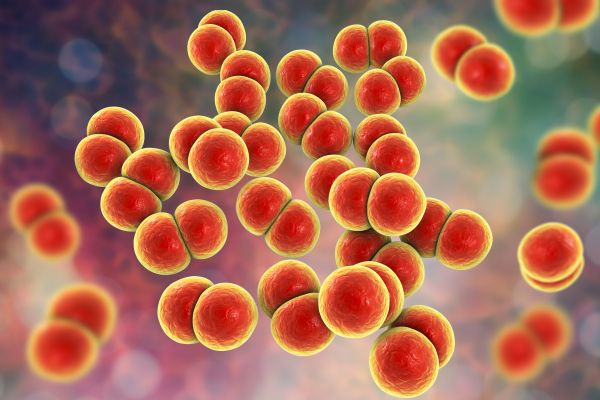
Reference Microbiology and Antimicrobial Resistance
The Reference Microbiology and Antimicrobial Resistance group applies advanced microbiological and genomic methodology to support public health surveillance activities including, hospital outbreak investigations and monitoring of emerging antimicrobial resistance for key pathogens.
Our Capabilities:
- Antimicrobial resistance testing supporting CARAlert and VCRSU
- National reference services for Neisseria gonorrhoeae and Neisseria meningitidis
- Identification and characterisation of human pathogens including vaccine preventable diseases
- Identification and AST for uncommon bacteria including risk group 3 pathogens
- Molecular detection of pathogens from clinical and environmental specimens
- Clinical metagenomics
- WHO Regional Reference Lab for Invasive Bacterial Vaccine-Preventable Diseases (IB-VPD)
Additional Services:
- Custom research support
- Training in antimicrobial susceptibility testing
- Facility tours and education programs
Food, Environment and Enteric Diseases
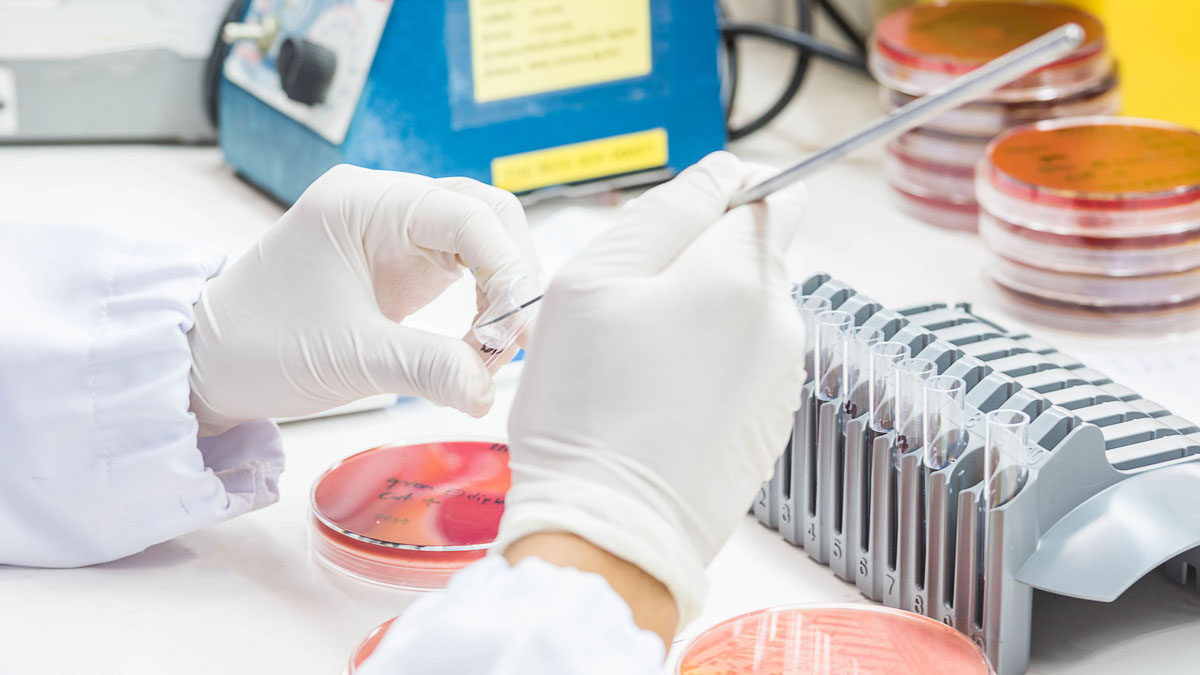
The Food, Environment and Enteric Diseases team supports public health through the detection, isolation, characterisation and surveillance of bacterial pathogens in food, water, environmental, veterinary, and clinical sources. The division provides analytical microbiology services to support public health outbreak investigations and the Victorian Department of Health surveillance programs. The science knowledge includes the specific disciplines of food, water and environmental microbiology and associated processing, hygiene and public health safety.
Our Capabilities:
- Analytical microbiology and molecular services to support food, waterborne and environmental outbreak investigations
- Public health safety expertise in food, water and environmental microbiology
- Reference services for enteric pathogens from human, animal, food and environmental sources
- Typing and characterisation using molecular methods and whole genome sequencing
- Outbreak detection through cluster analysis and exotic isolate identification
Additional Services:
- Ongoing support for Victorian Department of Health surveillance programs
- Collaboration with national and local health authorities during investigations
- Advice on sampling and transport of primary specimens including provision of sample collection kits

Genomics Platform
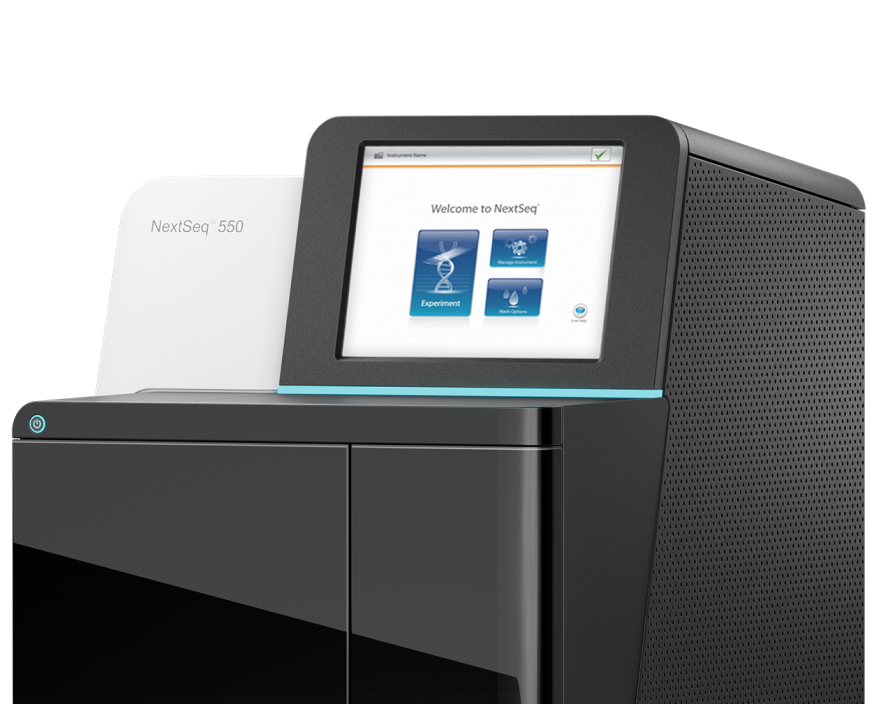
The MDU PHL Genomics Platform applies genomics to public health to support the identification, investigation, and control of communicable diseases. Our integrated, high-throughput workflows deliver rapid, high-quality data to support pathogen surveillance, outbreak response and research into infectious diseases.
We provide end-to-end genomic solutions using advanced automation and sequencing technologies to ensure reliable and timely results.
- Scalable and reproducible NGS library preparation using robotic liquid handlers
- Consistent and high-quality nucleic acid extraction using automated platforms
- Illumina sequencing-by-synthesis (SBS) for pathogen identification, typing, gene detection and cluster analysis
- ONT long-read sequencing for complex genome assemblies, plasmid characterisation and metagenomics
Our platform supports a wide range of public health applications, including:
- Whole-genome sequencing (WGS) for species identification, typing, pathogen surveillance and outbreak investigation
- Cluster detection and phylogenetic analysis to support rapid public health responses
- Identification of resistance genes and genotyping of antimicrobial-resistant organisms
- Translational and basic research in communicable diseases
Pathogen Genomics for Public Health
Our Bioinformatics and Epidemiology teams translate genomic data into public health insights, supporting outbreak response, surveillance, and national programs.
Our Capabilities
- Quality control and analysis of microbial whole genome sequencing (WGS) data
- Development of custom bioinformatics tools for resistance detection, pathogen characterisation, and phylogenomic analysis
- Epidemiological interpretation of genomic and antimicrobial resistance data
- Coordination of key public health programs, including:
- Victorian Antimicrobial Resistance Surveillance and Response Unit (VASRU)
- Victorian Hospital Pathogens Surveillance Scheme (VHPSS)
- National Enteric Pathogens Surveillance Scheme (NEPSS)
Key Contributions
- Genomic support for local and national outbreak investigations
- Tracking of antimicrobial resistance trends, including carbapenemase-producing organisms
- Data management and reporting for enteric disease surveillance in Australia
- Training and technical support across the Western Pacific Region as part of WHO collaboration

Melbourne Sexual Health Centre
The Melbourne Sexual Health Centre (MSHC) specialises in sexual health, specifically through testing, treatment and management of Sexually Transmissible Infections (STIs). The onsite laboratory, operated by the Microbiological Diagnostic Unit, provides the laboratory focus for the primary testing and analysis of microbiological samples for sexual healthinfections, received from patients attending the MSHC. Being on site, the laboratory can provide on the spot diagnosis of some infections. Tests include detection of:
- Chlamydia trachomatis (including LGV)
- Neisseria gonorrhoeae
- Trichomonas vaginalis
- Mycoplasma genitalium
- Treponema pallidum
- Candida albicans
- Bacterial vaginosis