SeqAsia: Strengthening Genomic AMR Surveillance in the Asia-Pacific
Summary
About the Initiative
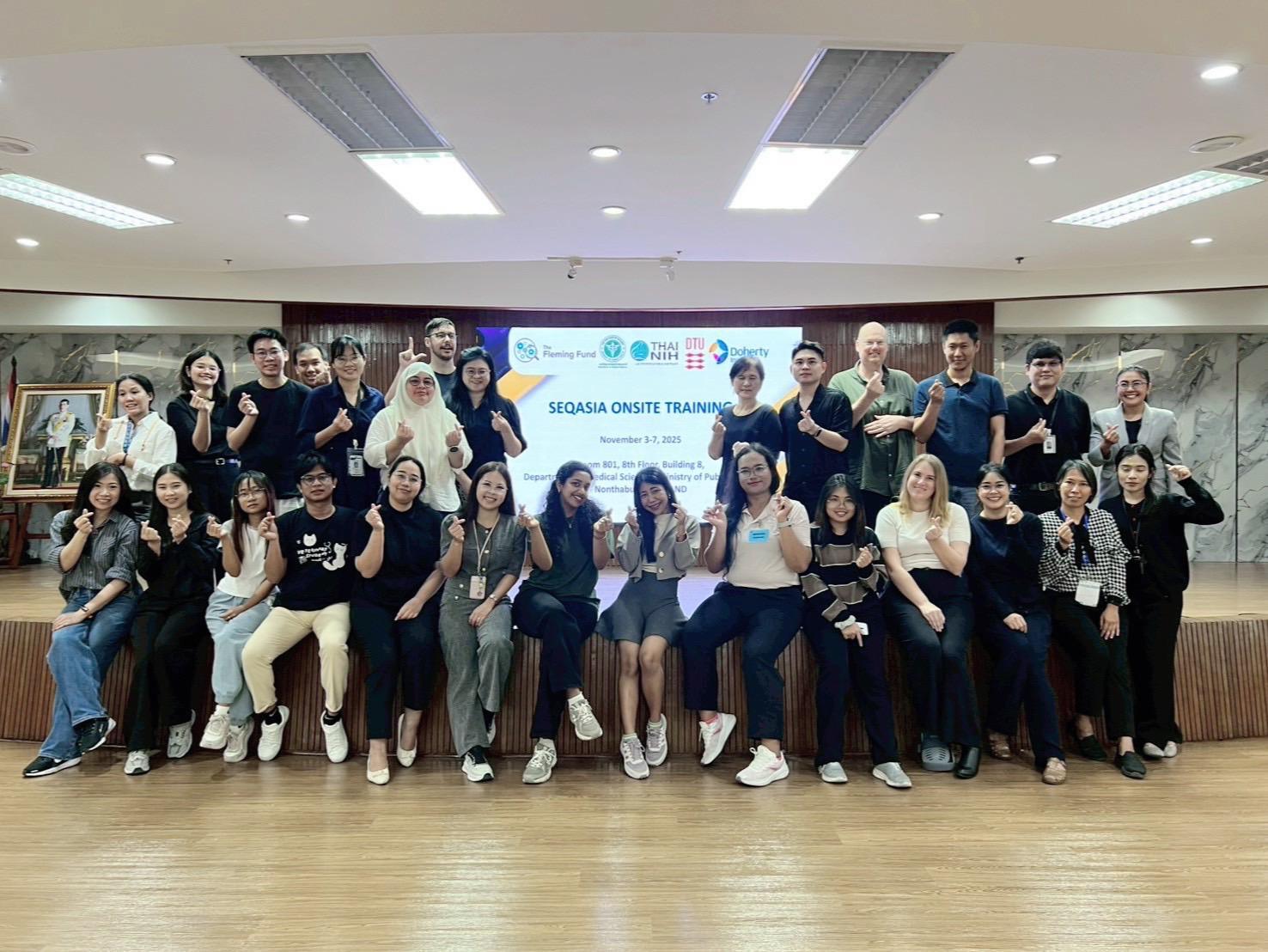
SeqAsia, a regional training and capacity building initiative, strengthened Thailand’s capacity and expertise as a regional leader in pathogen genomics-enabled antimicrobial resistance (AMR) surveillance. Delivered in conjunction with the Technical University of Denmark (DTU) and supported by the Fleming Fund, the initiative ran across a 12-month period from March 2025 to March 2026.
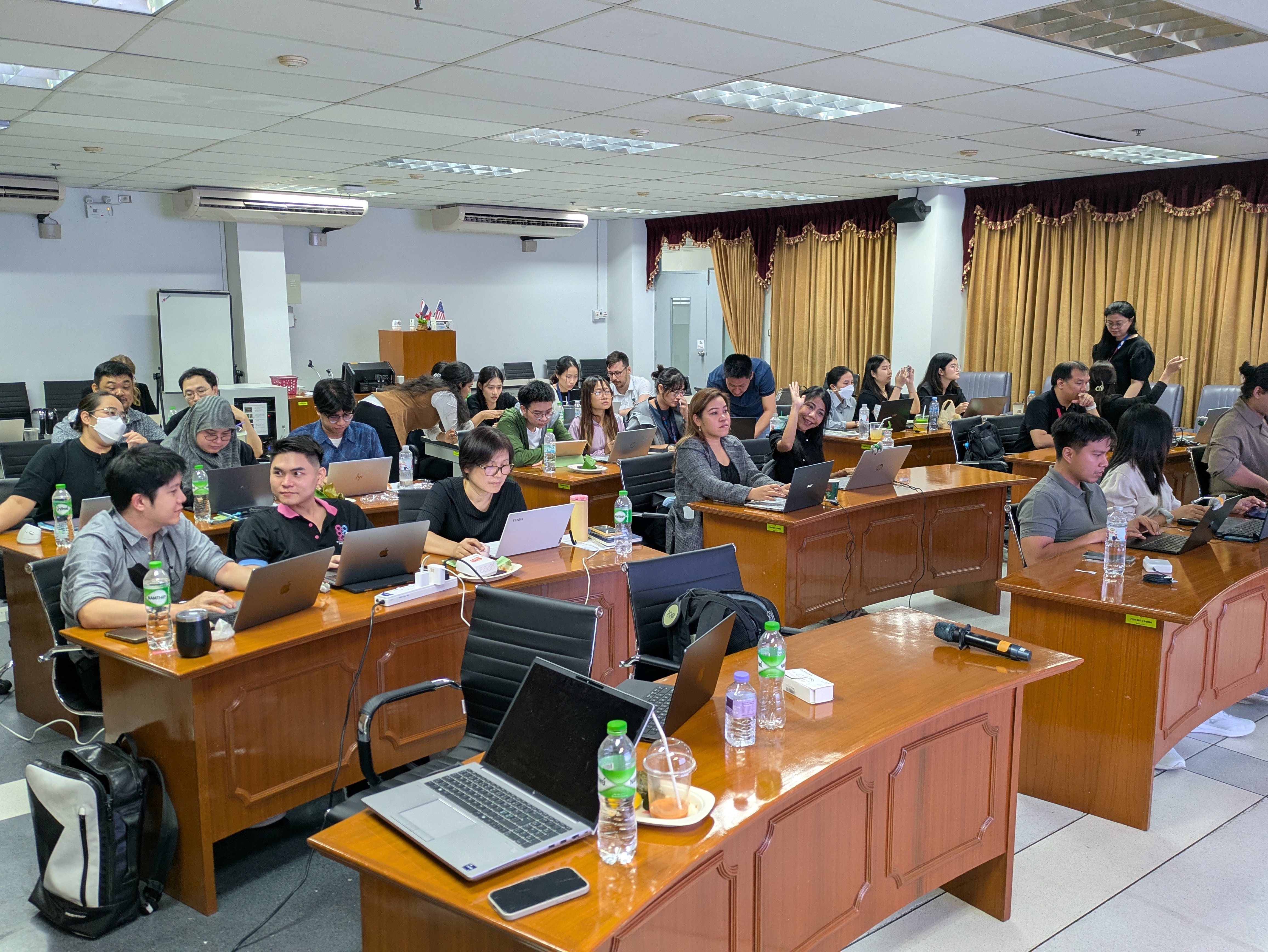
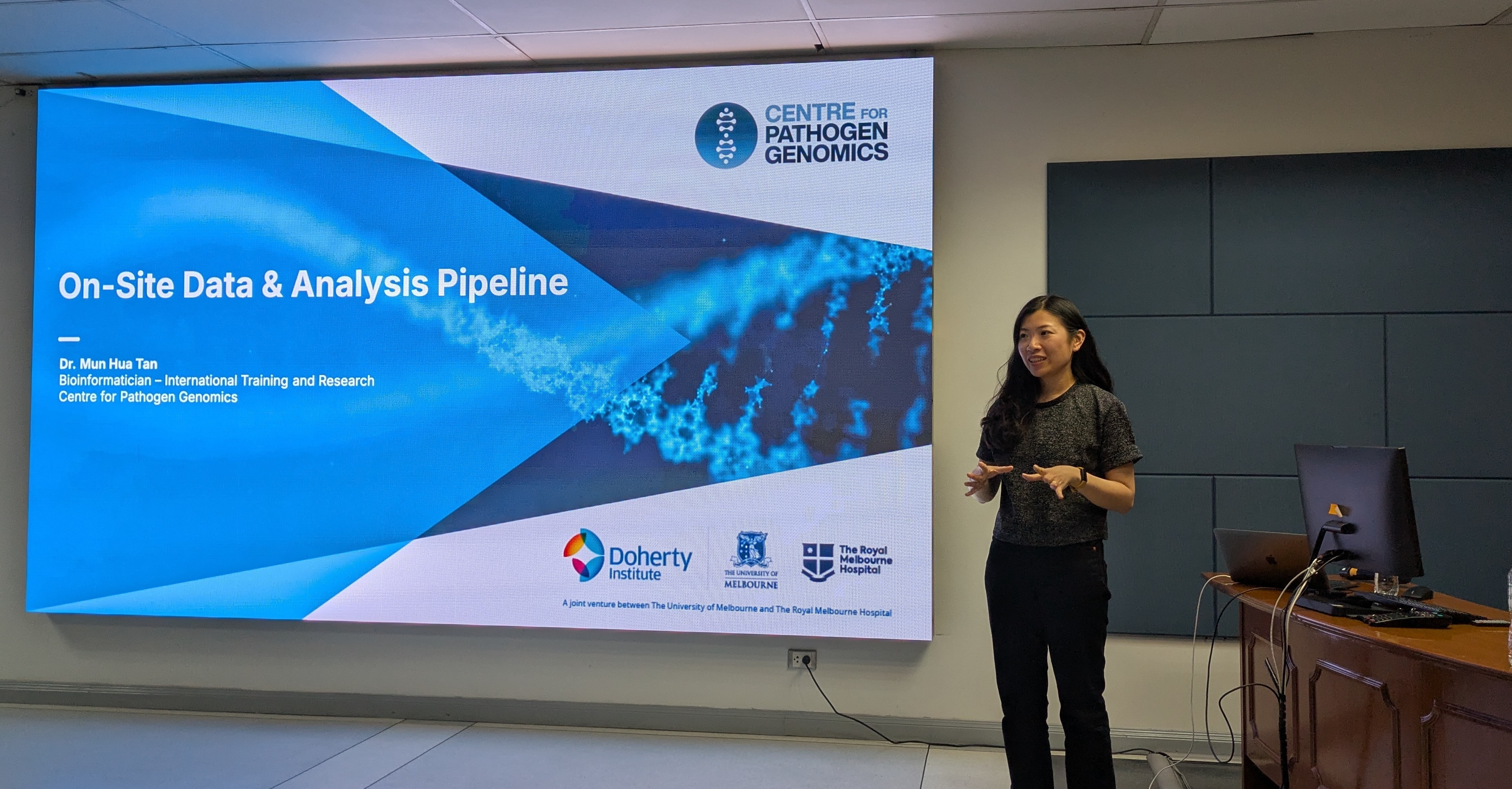
Training was delivered by bioinformaticians, domain experts and epidemiologists from the Centre for Pathogen Genomics and the Technical University of Denmark, combining online learning with intensive in-country training at Thai human and animal health AMR reference laboratories and key sentinel sites.
Training Focus
The program equipped laboratory scientists with practical, applied skills across three core areas:
- Bioinformatic analysis: building technical proficiency in the tools and pipelines underpinning genomic surveillance
- Genomic epidemiology: Interpreting sequencing data to understand pathogen transmission and resistance patterns
- Practical application of genomics in AMR monitoring: translating genomic insights into actionable surveillance outcomes.
To extend the initiative’s reach beyond Thailand, regional webinars were held across the Asia-Pacific, fostering the development of broader network of genomics-informed AMR professionals throughout the region.
Outcomes
A structured program evaluation conducted post-training indicated a marked improvement in participant’s bioinformatic capabilities, underscoring the effectiveness of the combined online and in-country training model.
Evaluation findings identified several dimensions of the training as most beneficial to participants:
- Hands-on practice: direct, practical engagement with a range of bioinformatics tools applied to participant’s own datasets.
- Practical application: interpretation of participant’s own datasets through genomic epidemiology, alongside research questions aligned with their current research and career objectives, and an enhanced understanding of AMR more broadly.
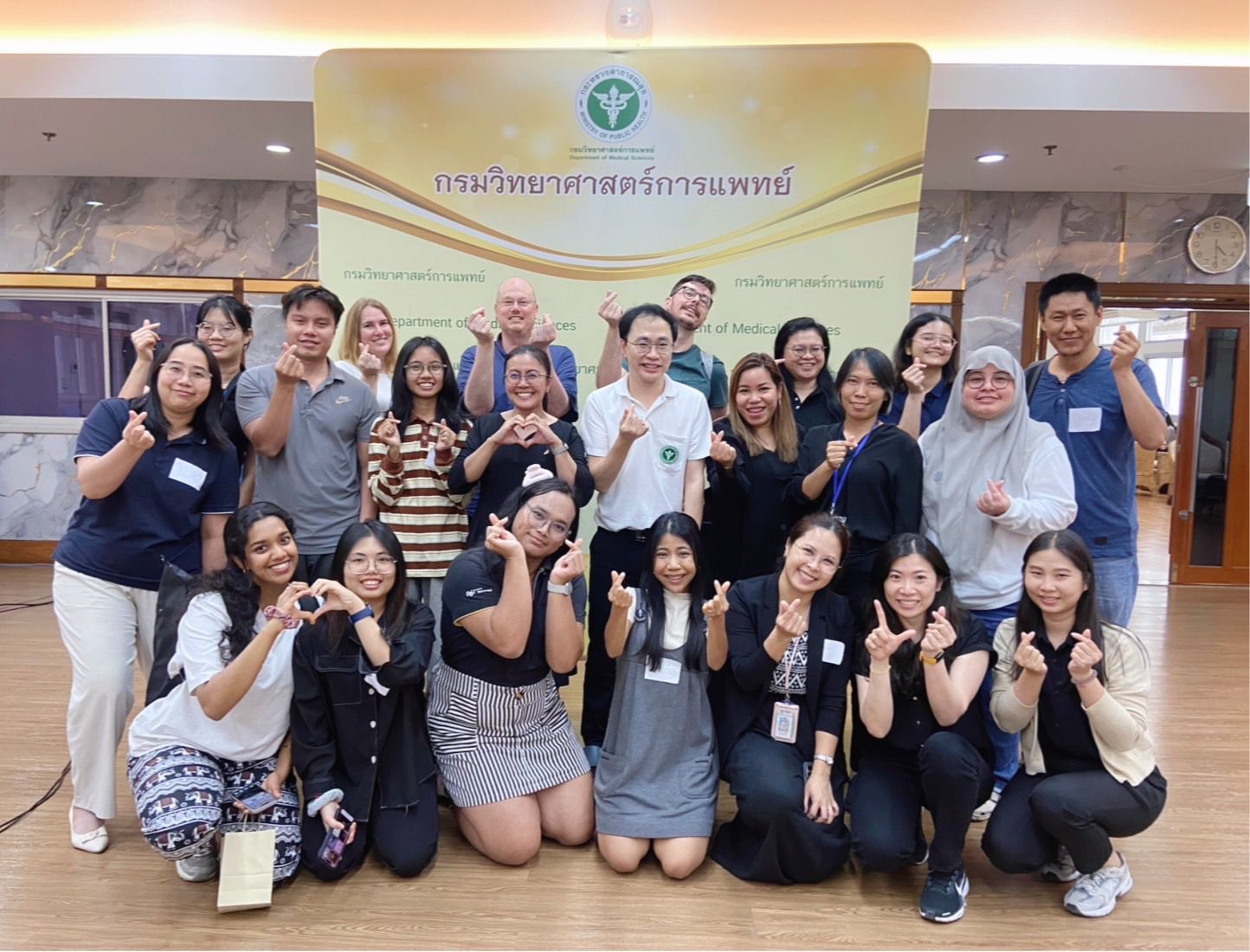
- Networking and knowledge exchange: opportunities to engage with peers and experts, and to learn alongside participants from a range of professional backgrounds.
- Onsite delivery: a strong preference among participants for onsite training, which facilitated direct engagement with trainers and peers.
Through SeqAsia, the National Institute of Health Thailand (NIH) has been identified as an AMR training hub within the region, demonstrating strong capabilities to support training and capacity building.
The Centre for Pathogen Genomics thanks the Fleming Fund, the Technical University of Denmark, and all participating institutions for their partnership in delivering this initiative.
Year
2025 - 2026
Countries
Thailand
Partners
- Fleming Fund
- Technical Univeristy of Denmark (DTU)
- National Institute of Health Thailand (NIH)
- Chlalongkorn University (CU)
- Prince of Songkla Univeristy